Modified bitumen roofing systems are a durable, flexible, and cost-effective solution for low-slope commercial roofs. Available in APP and SBS types, with installation methods ranging from torch-down to self-adhered — they're a reliable choice for contractors aiming to deliver long-lasting results.
What Are Modified Bitumen Roofing Systems?
Modified bitumen roofing systems are asphalt-based, multi-ply membranes engineered for low-slope or flat commercial roofs — combining proven asphalt performance with advanced polymer modifiers for enhanced flexibility and durability.
Essentially, modified bitumen is an evolution of traditional built-up roofing (BUR). The asphalt is modified with polymers to create a more rubber-like material that withstands thermal stress, resists cracking, and is less prone to tearing and punctures than traditional systems.
Key Components of a Modified Bitumen System
- Modified AsphaltBase material enhanced with APP or SBS polymers
- ReinforcementPolyester or fiberglass core for strength and stability
- SurfacingGranules, foil, or smooth finish for UV and fire resistance
- Base & Ply SheetsMultiple layers for waterproofing and durability
Why Choose Modified Bitumen for Low-Slope Commercial Roofs?
When evaluating materials for a commercial project, modified bitumen offers advantages that benefit both contractors and building owners — from fewer callbacks to competitive bids.
Unmatched Durability
15 to 25 year life expectancy. Polymer modification allows expansion and contraction without cracking, reducing long-term maintenance.
Superior Weather Resistance
Stands up to wind uplift, hail, and torrential rain. Proven in everything from Texas heat to Gulf South humidity.
Flexibility for Complex Roofs
Inherent flexibility makes it easier to detail around penetrations, vents, and HVAC units for a seamless, watertight seal.
Cost-Effective Over Time
Higher upfront cost than entry-level options, but low maintenance requirements result in a lower total cost of ownership.
APP vs. SBS Modified Bitumen: Which Is Right for Your Project?
The two primary types each offer distinct characteristics that influence their ideal application. APP provides excellent UV resistance and heat-welding capabilities; SBS offers superior flexibility and adhesion.
| Feature | APP Modified Bitumen | SBS Modified Bitumen |
|---|---|---|
| Polymer Type | Atactic Polypropylene (Plastic-like) | Styrene-Butadiene-Styrene (Rubber-like) |
| Flexibility | Good; retains shape at high temps | Excellent; highly elastic in cold |
| UV Resistance | Very Good | Good (often requires coating) |
| Primary Install | Torch-Applied | Hot Asphalt, Cold Adhesive, Self-Adhered |
| Heat Resistance | High | Good |
| Ideal Climate | Hot climates with high UV | Cold climates, significant thermal cycling |
Installation Methods
Modified bitumen roofing offers four main installation methods, giving contractors flexibility to match project needs and safety requirements.
Torch-Applied (APP)
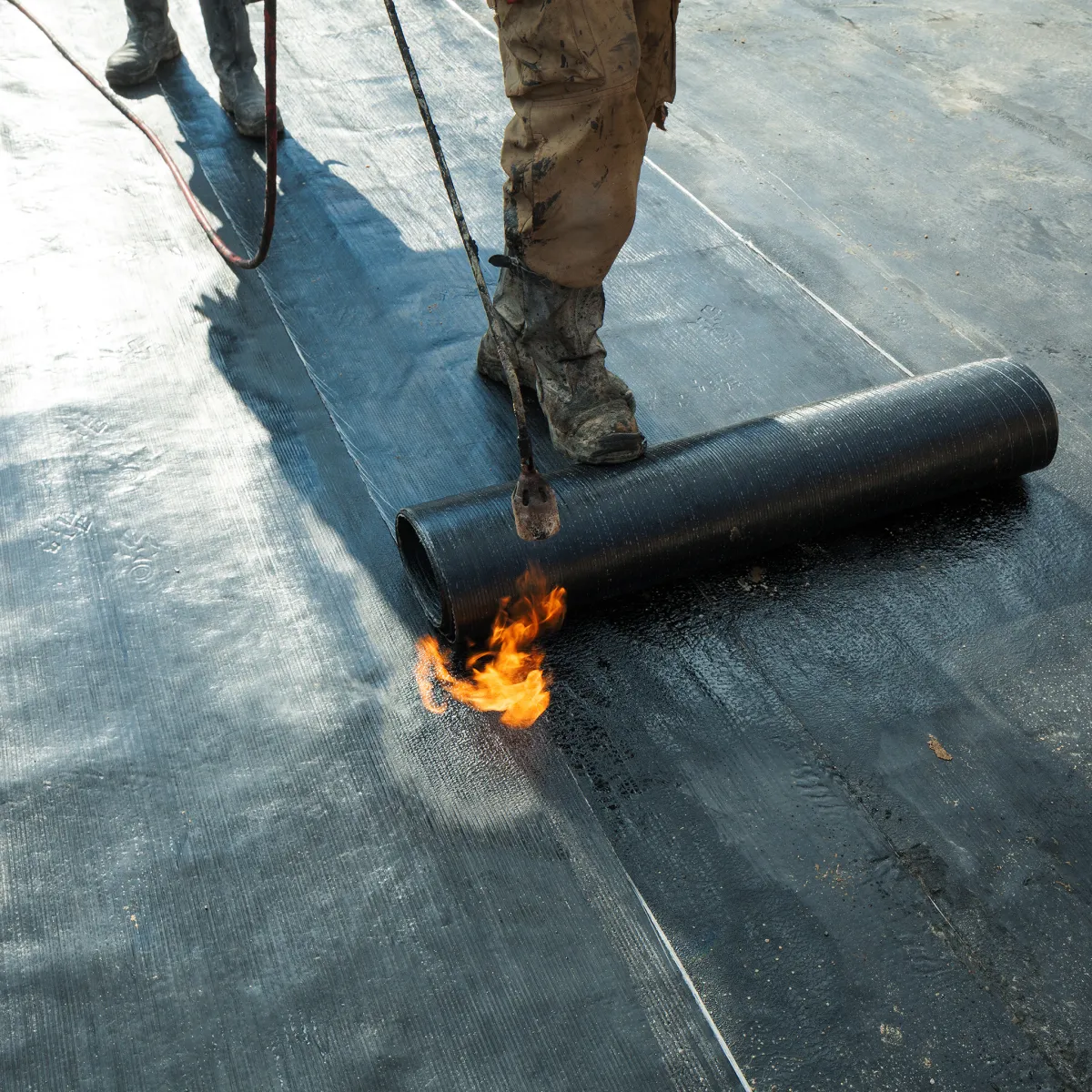
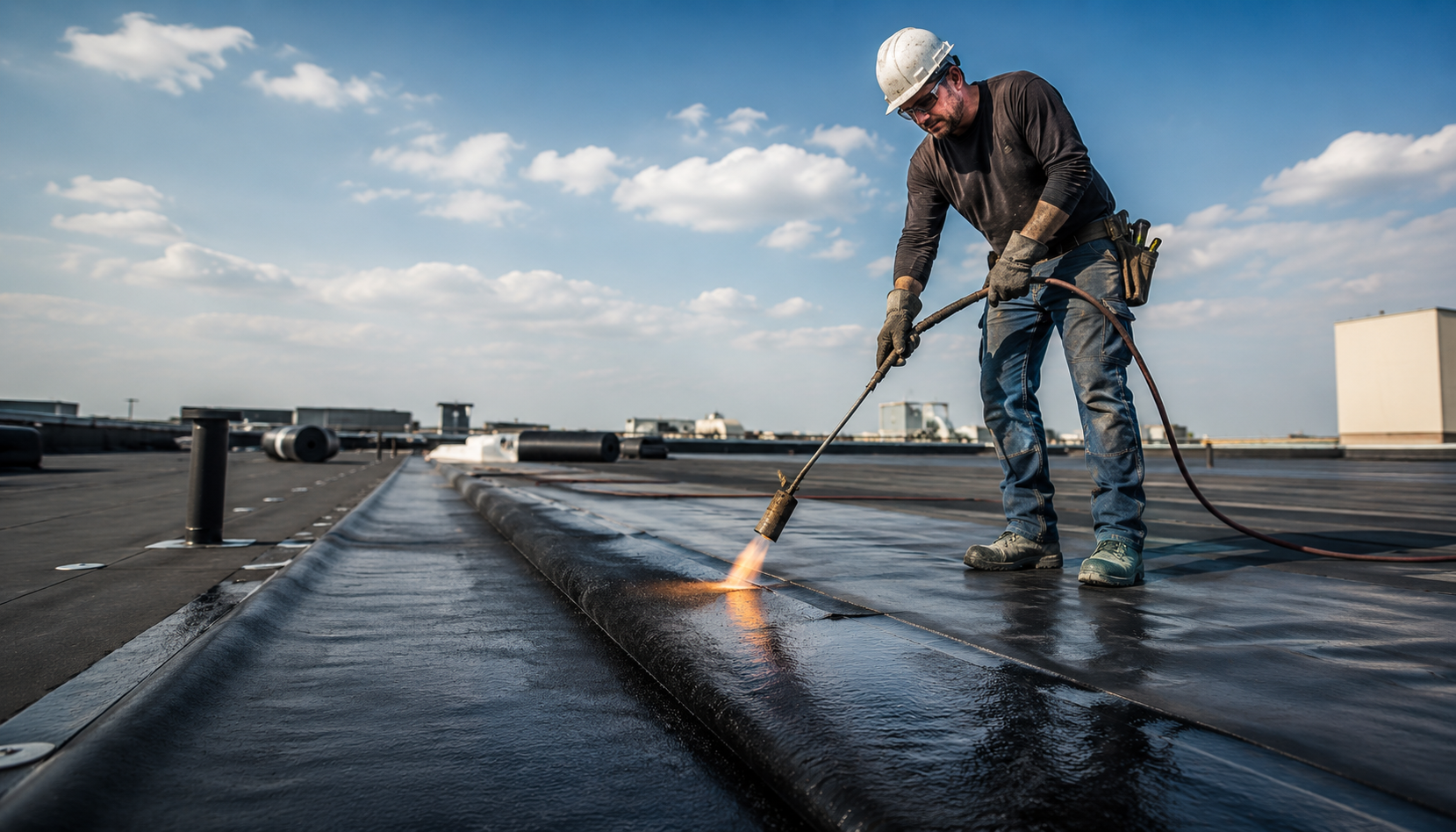
A propane torch heats the underside of the membrane, melting modified asphalt directly onto the substrate for a strong, monolithic bond. Requires experienced installers due to open flame safety risks.
Hot Asphalt (SBS)
Hot asphalt is mopped onto the substrate and the SBS membrane rolled into the adhesive. Labor-intensive and requires specialized equipment, but offers excellent bonding and waterproofing.
Cold Adhesive (SBS)
Solvent or water-based adhesives eliminate open flames, significantly increasing job site safety. A popular choice where fire hazards are a concern or local regulations restrict hot work.
Self-Adhered (SBS)
The safest and fastest method. Membranes come with an adhesive backing protected by a release film — ideal for projects with strict safety requirements or when speed is a priority.
Understanding Modified Bitumen Cost Per Square Foot
Cost varies significantly based on material type, installation method, roof complexity, and location — typically ranging from $4–$8 per sq ft for materials only, and $8–$15 per sq ft installed.
Always get a custom quote based on the specific details of each project — material type, existing roof removal, number of penetrations, and geographic location all impact the final number significantly.
Wholesale Modified Bitumen: Getting the Best Materials
For any contractor, the reliability and cost-effectiveness of your supply chain directly impacts your ability to win bids. Purchasing in bulk at wholesale prices reduces material costs and translates directly to higher profit margins.
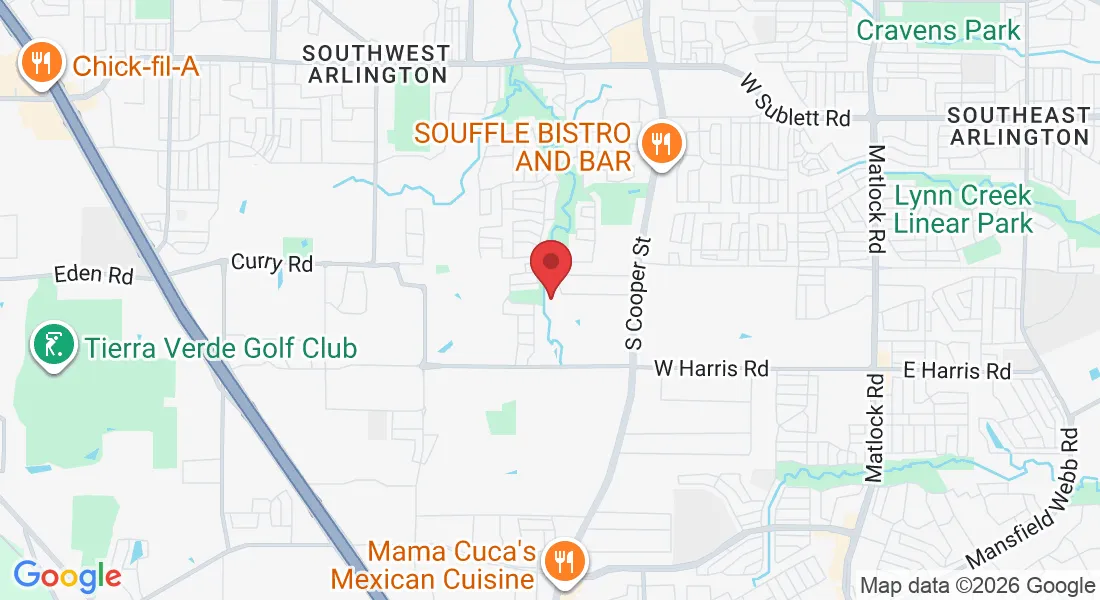
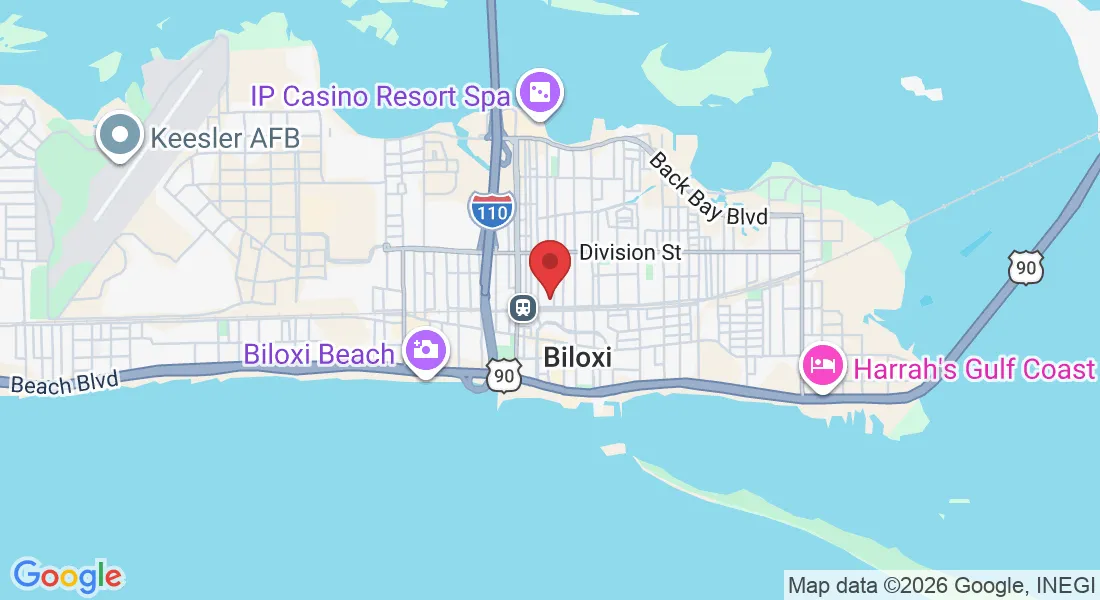
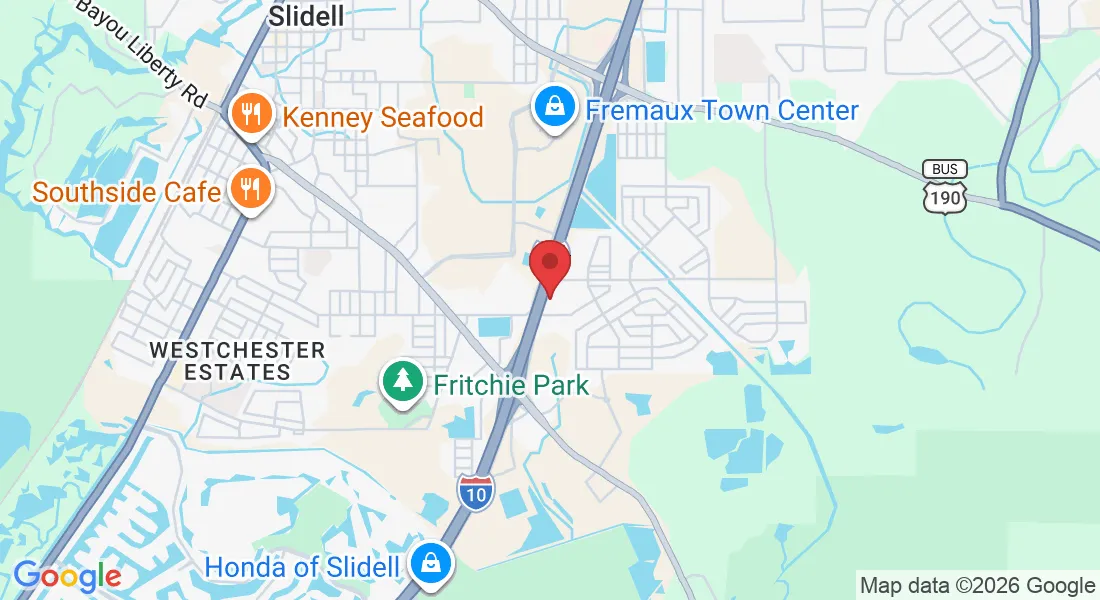
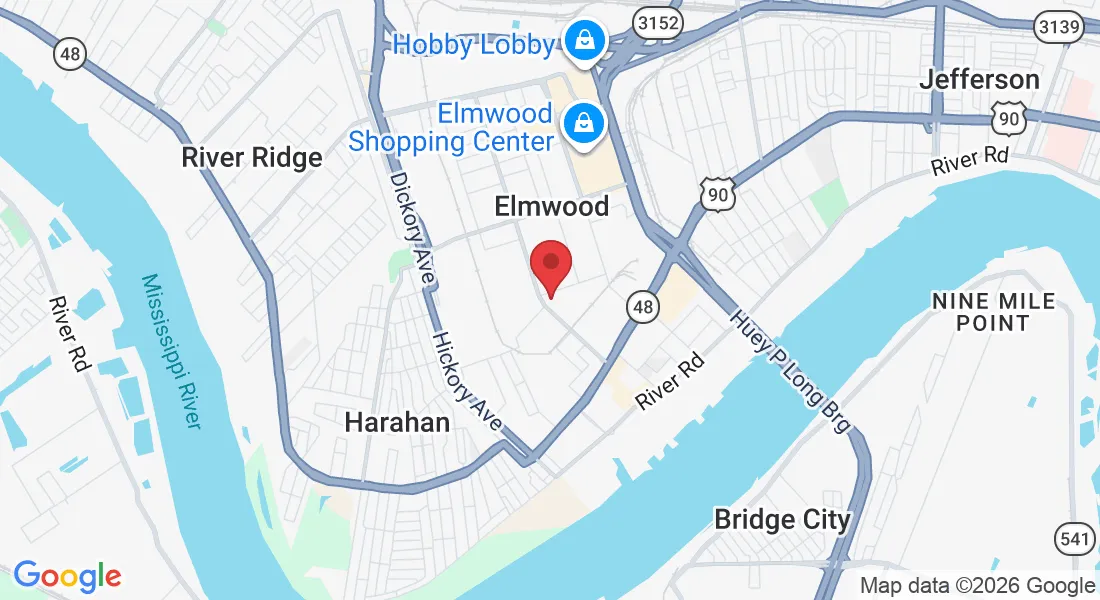
A trusted wholesale partner like Murphy's Roofing Supply provides consistent quality, comprehensive inventory (APP and SBS in various thicknesses and surfaces), and expert support — with locations in Biloxi, Slidell, Arlington, and Elmwood.
Frequently Asked Questions
What is the average life expectancy of a modified bitumen roof?
Typically 15 to 25 years, depending on product type, quality of installation, environmental conditions, and maintenance. High-quality materials and professional installation can extend this lifespan.
How do I choose between torch-down and self-adhered modified bitumen?
Torch-down (APP) is durable and creates strong seams but involves open flames. Self-adhered (SBS) is safer and faster, ideal for projects with fire restrictions or tight schedules, though material costs may be slightly higher.
Can modified bitumen be installed over an existing roof?
In many cases, yes — provided the existing deck is structurally sound, clean, dry, and properly prepared. Always inspect for moisture or damage and follow manufacturer specifications and local building codes.
Where can I find wholesale modified bitumen roofing materials near me?
Murphy's Roofing Supply has locations in Biloxi, MS; Slidell, LA; Arlington, TX; and Elmwood, LA, offering a wide selection of high-quality modified bitumen products at competitive contractor pricing.