Ridge Vent Systems: Your Guide to Smarter Attic Ventilation
Attic Ventilation Guide

Ridge Vent Systems: Your Guide to Smarter Attic Ventilation

How continuous ridge vents protect roofs, cut energy costs, and give contractors a stronger selling point on every bid.

9 min read Roofing Systems
3 Ridge vent types
1:150 NFA ventilation ratio
6" Min. from rake edges
TL;DR

Ridge vent systems provide continuous passive ventilation along the roof peak, preventing heat and moisture buildup that damages shingles and drives up energy costs. The right system — properly balanced with soffit intake — extends roof life, improves home comfort, and gives contractors a powerful selling point.

What Are Ridge Vent Systems and How Do They Work?

Ridge vent systems are passive attic ventilation components installed along the peak of a roof, allowing hot, moist air to escape the attic while drawing cooler, drier air in through soffit vents. They work on the principle of convection — rising hot air naturally exits at the highest point, creating a negative pressure that pulls fresh air in from the eaves.

This balanced system is critical for maintaining optimal attic temperatures and humidity levels. Without it, trapped heat bakes shingles from the underside and moisture condenses on the roof deck, accelerating deterioration throughout the entire roofing system.
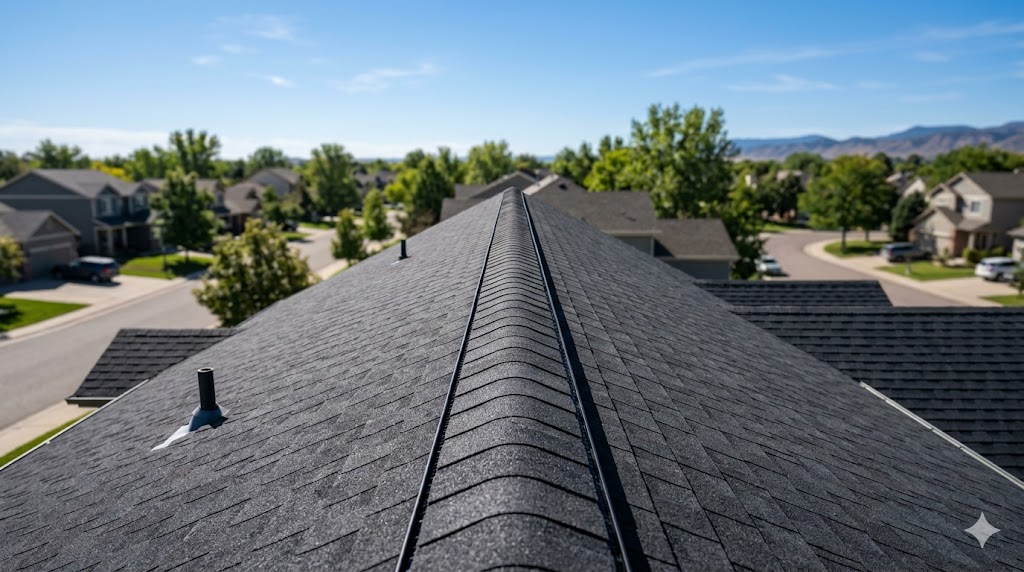
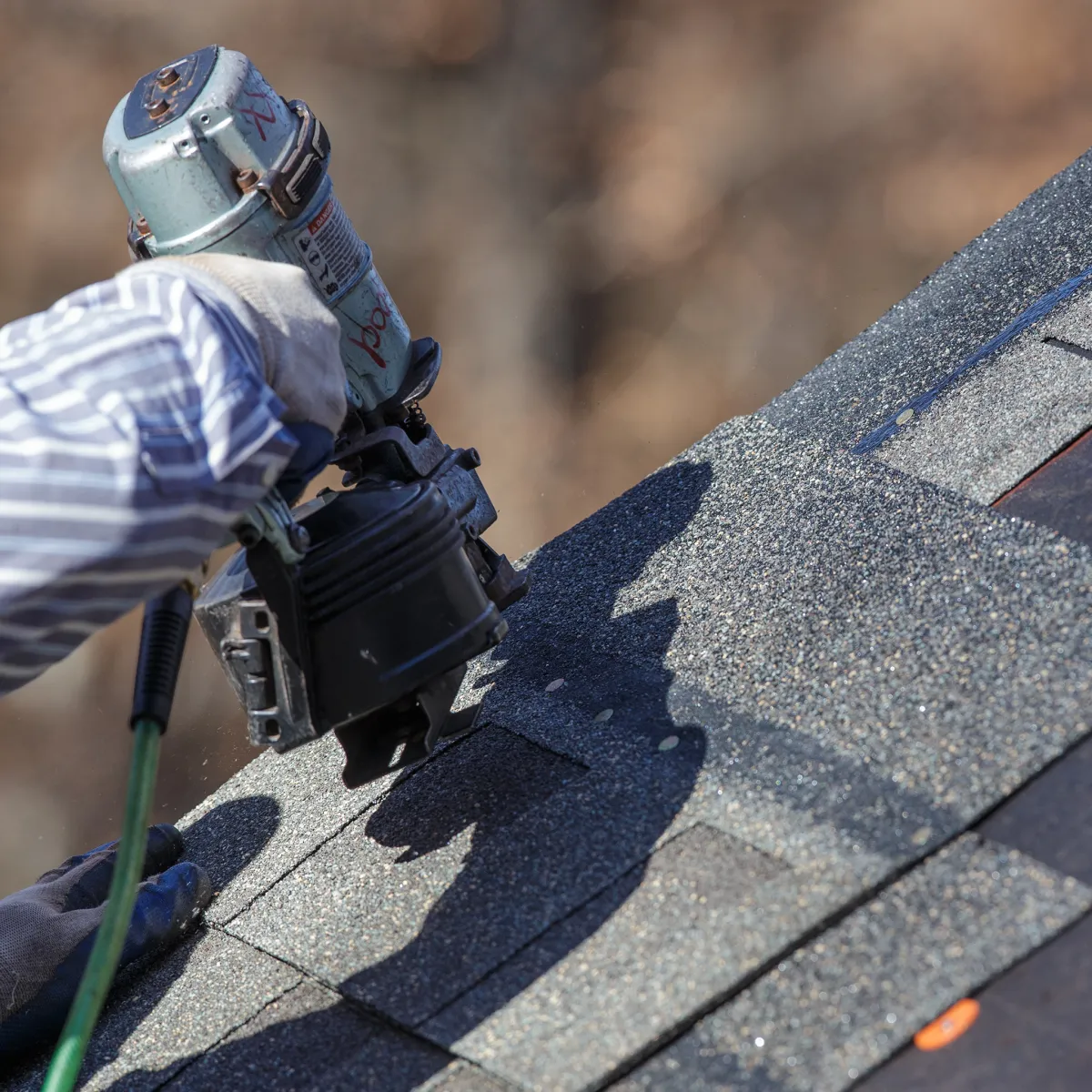
Ridge vent installed along the peak of a residential roof

Balance is everything. Too much exhaust (ridge vents) without sufficient intake (soffit vents) pulls conditioned air from the living space into the attic instead of fresh outside air — undermining the entire system.

Why Are Ridge Vent Systems Essential for Modern Roofing?

Integrating quality ridge vents into a roofing project means delivering more than a weatherproof surface — it means protecting the entire structure and reducing long-term costs for the building owner.

Extends Roof Lifespan

Trapped attic heat bakes shingles from the underside, causing curling, cracking, and premature degradation. Proper ventilation maintains consistent temperatures and significantly extends shingle life.

Improves Energy Efficiency

A cooler attic means less heat radiating into living spaces, reducing the load on air conditioning systems and lowering utility bills — a compelling selling point for homeowners.

Prevents Moisture Damage

Warm moist air from kitchens and bathrooms migrates into the attic. Without ventilation, it condenses, causing mildew, mold, and rot in the roof deck and structural components.

Enhances Home Comfort

By regulating attic temperature, ridge vents contribute to a more consistent indoor environment — particularly impactful during hot summer months when attic heat transfer is highest.

Types of Ridge Vents for Roofing

Three main options are available, each with distinct trade-offs in material, aesthetics, and cost. Knowing which to recommend for each project demonstrates expertise and builds client trust.

Feature Aluminum Plastic (HDPE) Shingle-Over
DurabilityVery durable, weather-resistantDurable, UV-resistantVery durable, protected by shingles
AestheticsVisible metal stripLow profile, sometimes visibleNearly invisible, blends with roof
InstallationStraightforwardStraightforwardMore labor-intensive
CostMid-rangeEconomicalHigher upfront
AirflowExcellentExcellentExcellent
Best UseCommercial / industrialBudget residentialHigh-end residential

Ridge Vent Installation Tips for Contractors

Precise installation is what separates a system that performs for decades from one that generates callbacks. Follow these steps for a clean, durable result every time.

1

Verify Adequate Intake Ventilation First

Confirm sufficient soffit or eave ventilation before installing any ridge vent. Without balanced intake, the exhaust system won't perform — this is the single most critical step.

2

Measure and Mark Carefully

Cut two openings — typically 1 to 1.5 inches wide on either side of the ridge board — stopping at least 6 inches short of the rake edges to maintain structural integrity.

3

Use the Right Tools and Clear Debris

Use a circular saw with a depth guide for clean, straight cuts. After cutting, thoroughly clear all sawdust, nails, and debris to ensure unobstructed airflow through the opening.

4

Install End Plugs / Closures

For continuous ridge vents, always install end plugs or closures at each end to prevent rain and insects from entering the attic. Critical for long-term effectiveness.

5

Fasten and Seal Properly

Fasten per manufacturer specs using roofing nails long enough to penetrate the deck. For shingle-over vents, apply cap shingles to fully cover and seal all vent components.

6

Inspect from the Attic

After installation, check from below to confirm the vent opening isn't obstructed by insulation or other materials. A clear opening is essential to deliver on ventilation performance.

Choosing the Right Wholesale Ridge Vent Supplies

When sourcing materials for multiple projects, quality and consistency directly impact your margins and reputation. Here's what to evaluate when selecting wholesale ridge vent supplies.

Net Free Area (NFA)

The measure of unobstructed opening a vent provides. Target 1 sq ft of NFA per 150 sq ft of attic floor (or 1:300 with balanced intake/exhaust). Always match NFA to attic size.

Material Quality

Look for UV-resistant plastics or corrosion-resistant metals. The longevity of the vent directly determines the longevity of the roof system it protects.

Weather Resistance

Ensure the design prevents rain, snow, and insect intrusion while allowing free airflow. Internal baffles or filters are beneficial features worth prioritizing.

Installation Efficiency

Factor in how quickly the vent installs across multiple projects. Shingle-over options take longer but deliver superior aesthetics — weigh that against labor costs per job.

Frequently Asked Questions

What is the primary purpose of a ridge vent system?

To provide continuous, unobstructed exhaust ventilation for the attic — allowing hot, moist air to escape, regulating attic temperature, extending roofing material life, and improving energy efficiency.

How many linear feet of ridge vent do I need?

Calculate total attic floor square footage, then match the NFA requirement (1 sq ft per 150 sq ft of attic, or 1:300 with balanced ventilation) to the NFA rating of your chosen vent per linear foot. Generally, ridge vents should cover the entire ridge length.

Can I install a ridge vent system on any type of roof?

Ridge vents are most effective on sloped, gabled roofs with a continuous ridge line. Flat roofs require different ventilation strategies. The roof must also allow for both soffit intake and ridge exhaust for the system to function correctly.

What are signs that a roof needs better attic ventilation?

Curling or cracking shingles, excessive attic heat, higher-than-normal energy bills, ice dams in winter, and visible mold or mildew on the underside of the roof deck or rafters are all indicators that ventilation needs to be addressed.

Does Murphy's Roofing Supply offer continuous ridge vent options?

Yes. Murphy's Roofing Supply stocks a wide selection of continuous ridge vent options, including shingle-over designs for a seamless aesthetic, in various materials and brands to meet diverse project needs.

Related guides for roofing contractors

Order for pickup or jobsite delivery at Arlington, TX, Biloxi, MS, Slidell, LA, or Elmwood, LA.

Get Contractor Pricing Today

our Complete Line of Building Products

Steep Slope Roofing

steep slope roofing

Steep Slope Roofing Info

Steep slope roofing systems are designed for residential and light commercial buildings where water runoff is critical. These systems combine durability, visual appeal, and proven performance across a wide range of climates. Contractors rely on steep slope roofing for dependable protection and curb appeal that meets homeowner expectations.

Asphalt Shingles

Asphalt shingles are the most popular roofing choice because they are affordable, easy to install, and available in a wide variety of colors and styles.

Asphalt roofing offers contractors a cost-effective solution that installs quickly and requires minimal maintenance. It provides reliable weather protection, strong manufacturer warranties, and consistent performance, making it an ideal option for both new construction and reroofing projects.

Synthetic Roof Tiles

Synthetic roof tiles provide the appearance of slate or shake while being lighter, more durable, and easier to install. They deliver high-end aesthetics without the cost or structural challenges of natural materials.

These products are made from recycled materials and offer excellent resistance to fire, wind, and extreme weather. With low maintenance requirements and long service life, synthetic roof tiles allow contractors to deliver premium results while maintaining strong margins.

Slate Roof Tiles

Slate roof tiles offer unmatched beauty and longevity, making them a premium choice for high-end residential and historic properties. Natural slate delivers a distinctive look that enhances property value.

While installation requires skilled labor, slate roofing rewards contractors and homeowners with exceptional durability, fire resistance, and a lifespan that can exceed 100 years when properly installed.

Metal Roofing

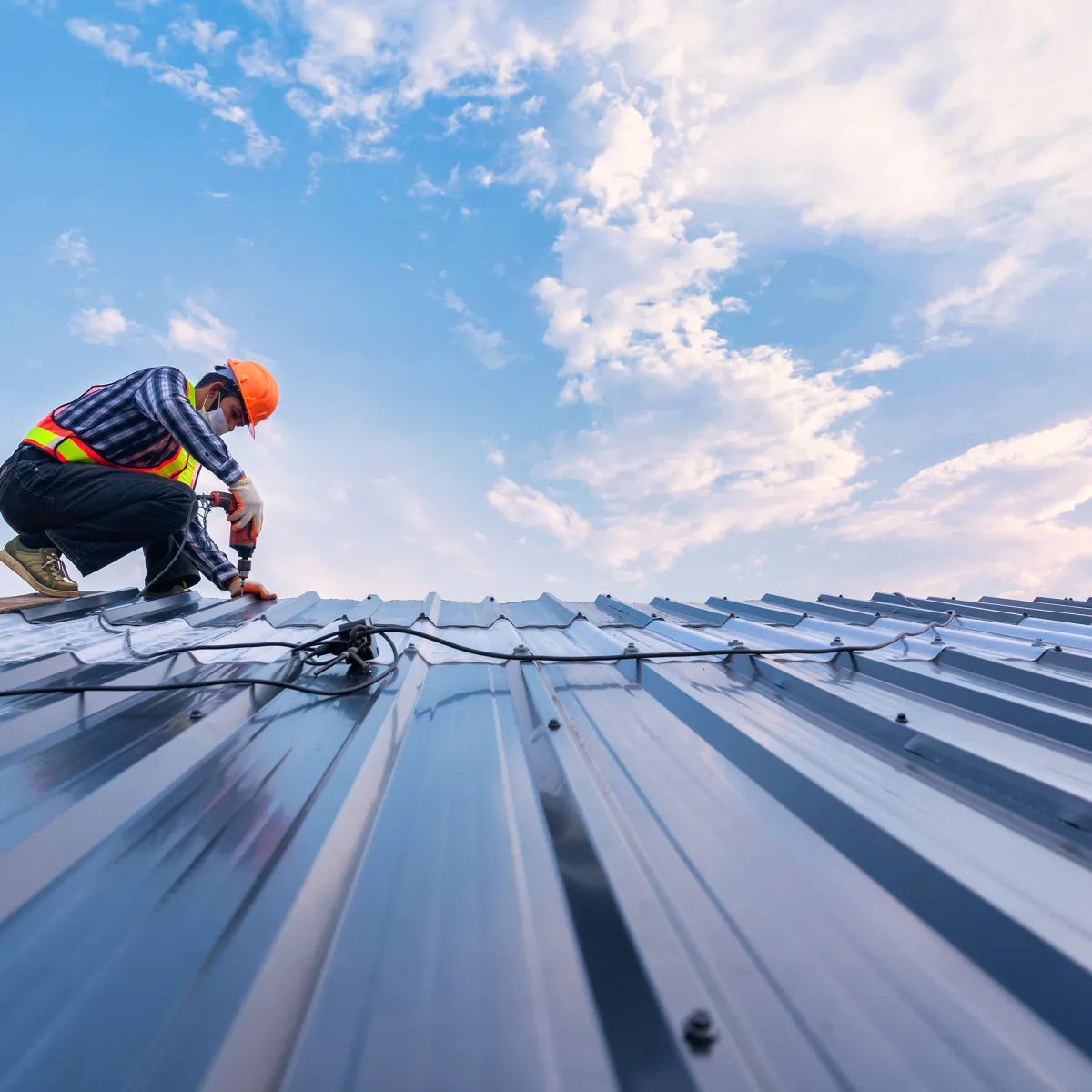
Metal roofing provides exceptional durability, energy efficiency, and long-term performance. Available in multiple profiles and finishes, it suits both residential and commercial applications.

Metal roofs resist fire, wind, and impact damage while requiring minimal maintenance. Their long lifespan and energy-reflective properties make them a smart investment for homeowners and a reliable product for contractors.

Low Slope Roofing

Low Slope Roofing Info

Low slope roofing systems are engineered to manage water efficiently on commercial and industrial buildings. These systems prioritize waterproofing, durability, and ease of maintenance.

Contractors rely on low slope roofing for proven performance, compatibility with insulation systems, and flexibility across a wide range of building designs.

Single Ply Roofing

Single ply roofing membranes offer a lightweight, flexible, and cost-effective solution for low slope applications. These systems install quickly and provide excellent resistance to UV exposure and weathering.

They are ideal for commercial projects where speed, performance, and long-term durability are critical. Single ply systems also support energy-efficient building designs.

Structured Metal Panels

Structural metal panels deliver strength, longevity, and superior weather resistance for commercial roofing applications. They are engineered to span long distances and handle heavy loads.

These systems offer contractors a durable, low-maintenance roofing solution with long service life and excellent performance in harsh environments.

Modified Bitumen Roofing

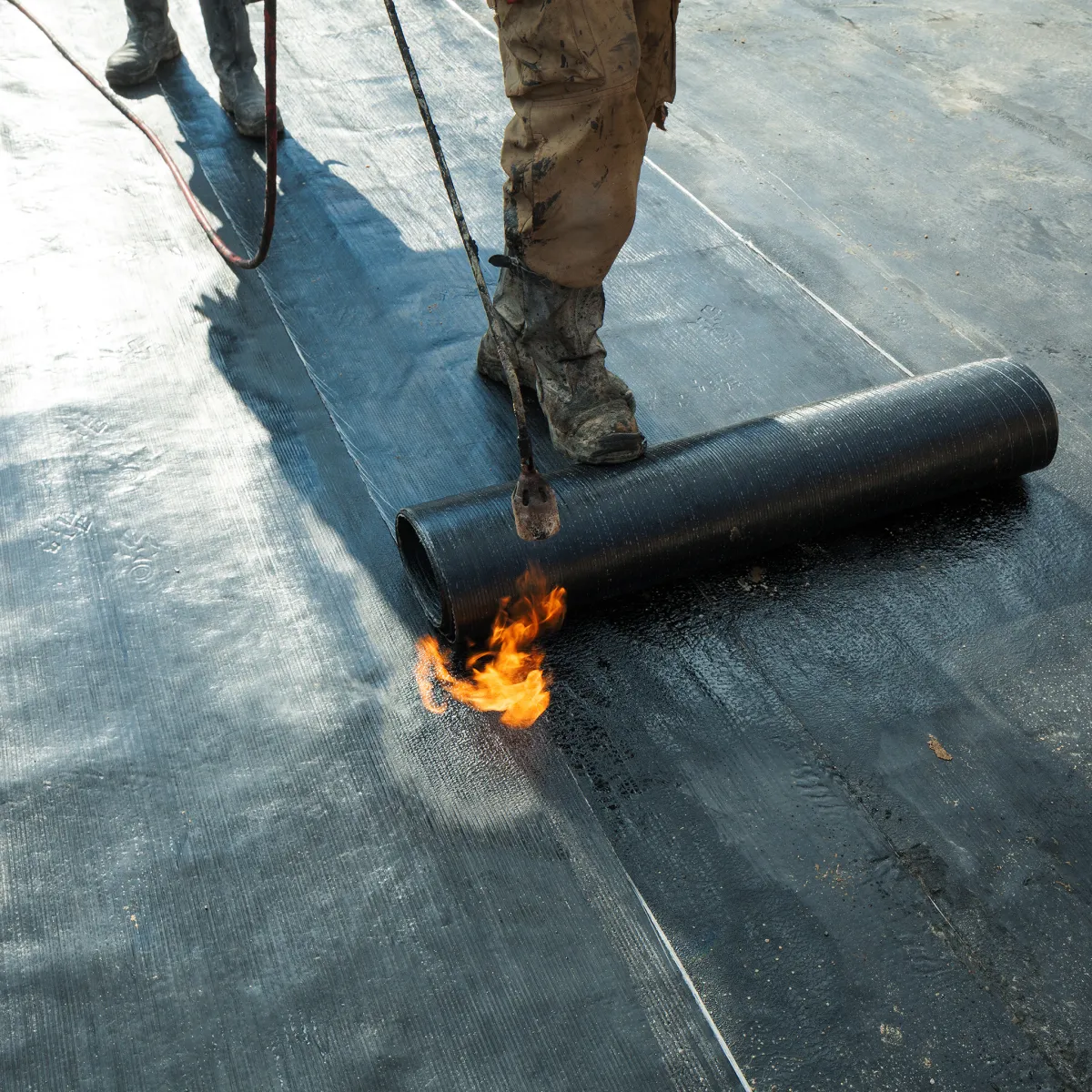
Modified bitumen roofing combines traditional asphalt with modern polymer technology to enhance flexibility and durability. It performs well in extreme temperatures and high-traffic areas.

This system is a reliable choice for contractors seeking proven waterproofing, strong adhesion, and ease of repair over the roof’s lifespan.

Built-Up Roofing

Built-up roofing (BUR) systems consist of multiple layers of asphalt and reinforcement for maximum protection. This time-tested solution provides excellent waterproofing and durability.

BUR systems are ideal for flat or low slope roofs where long-term performance and redundancy are essential.

Coatings

Roof coatings extend the life of existing roofing systems by adding a protective, weather-resistant layer. They help improve energy efficiency and reduce maintenance costs.

Contractors use coatings as a cost-effective solution for roof restoration and preventative maintenance.

roofing accessories

Roofing Accessories Info

Roof accessories are essential components that enhance roof performance, ventilation, and longevity. They ensure proper water management and airflow.

Using the right accessories helps contractors deliver complete, code-compliant roofing systems.

Underlayment

Underlayment provides a critical moisture barrier beneath roofing materials. It adds protection against water intrusion and enhances overall roof durability.

High-quality underlayment improves installation reliability and long-term performance.

Metal Roofing Accessories

Metal roofing accessories include trim, flashing, and closures that ensure proper fit and finish. They improve weather resistance and roof appearance.

These components are essential for professional, long-lasting metal roof installations.

Fasteners

Roofing fasteners are engineered for strength, corrosion resistance, and long-term holding power. Proper fasteners ensure system integrity.

Using manufacturer-approved fasteners reduces callbacks and improves roof performance.

Cements and Coatings

Roofing cements and coatings provide sealing, bonding, and waterproofing for repairs and installations. They are essential for detailing and maintenance work.

These products help contractors achieve watertight, durable roofing systems.

Vents

Roof vents promote proper attic ventilation, reducing heat and moisture buildup. This improves roof lifespan and energy efficiency.

Effective ventilation helps prevent mold, ice dams, and premature roof failure.

Ice & Water Underlayment

Ice and water underlayment offers self-adhering protection in vulnerable roof areas. It seals around fasteners and prevents leaks caused by ice dams and wind-driven rain.

This added protection is critical in cold and storm-prone regions.

Insulation

Insulation Info

Insulation plays a vital role in energy efficiency, comfort, and moisture control. Proper insulation reduces heating and cooling costs.

Contractors rely on insulation solutions to meet building codes and improve overall system performance.

Rigid Roofing Insulation

Rigid insulation provides high thermal resistance and structural stability for roofing systems. It is ideal for commercial and low slope applications.

This insulation improves energy efficiency while supporting roof durability.

Fiberglass Batt Insulation

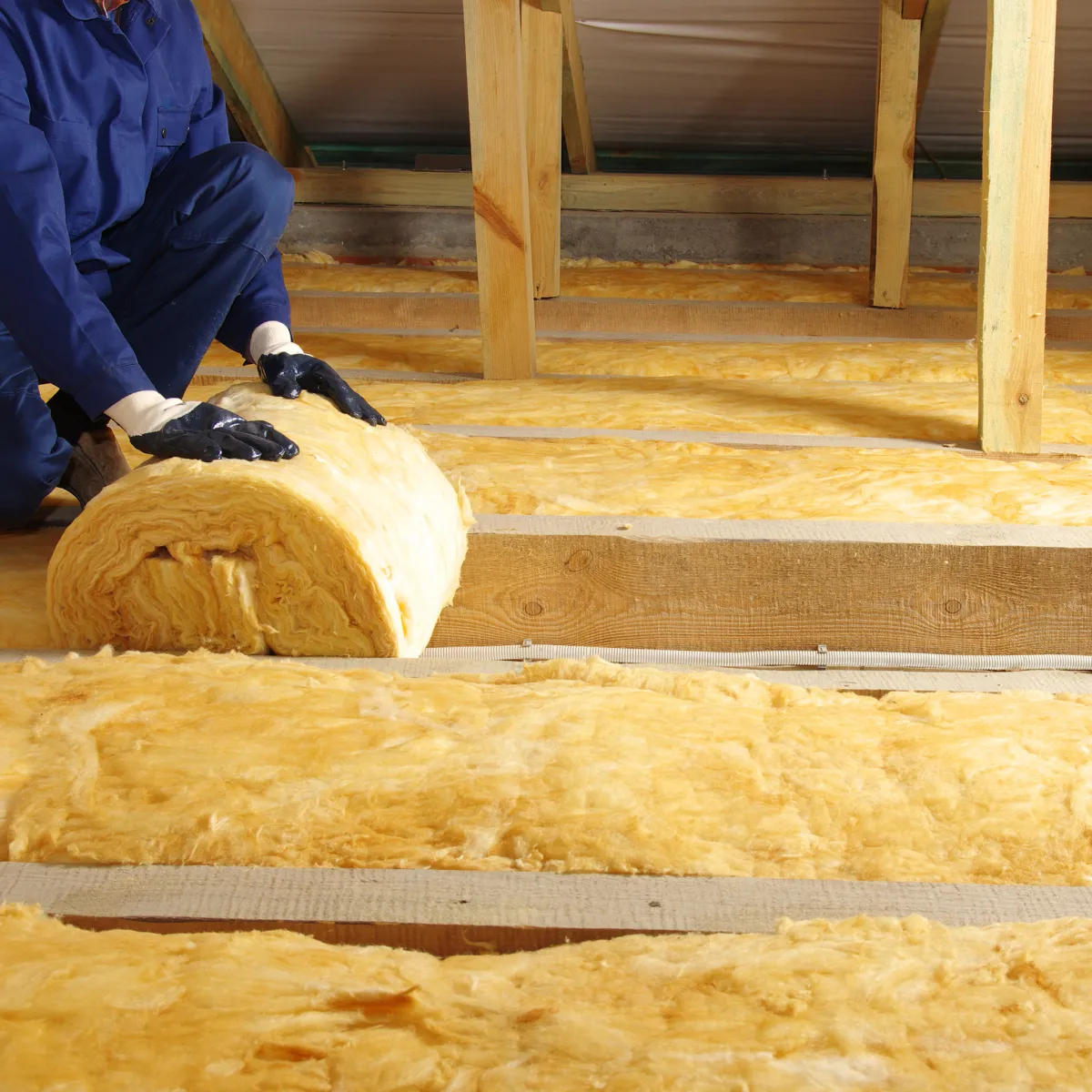
Fiberglass batt insulation is an affordable, easy-to-install solution for walls and attics. It provides reliable thermal and sound insulation.

Its flexibility makes it a popular choice for residential construction and remodeling.

Blown-In Insulation

Blown-in insulation fills gaps and hard-to-reach areas, providing consistent thermal coverage. It improves energy efficiency and indoor comfort.

This option is ideal for retrofits and attic applications.

Siding

Siding Info

Siding enhances curb appeal while protecting buildings from the elements. Modern siding materials offer durability and low maintenance.

Contractors rely on siding to deliver both aesthetic and functional benefits.

Vinyl Siding

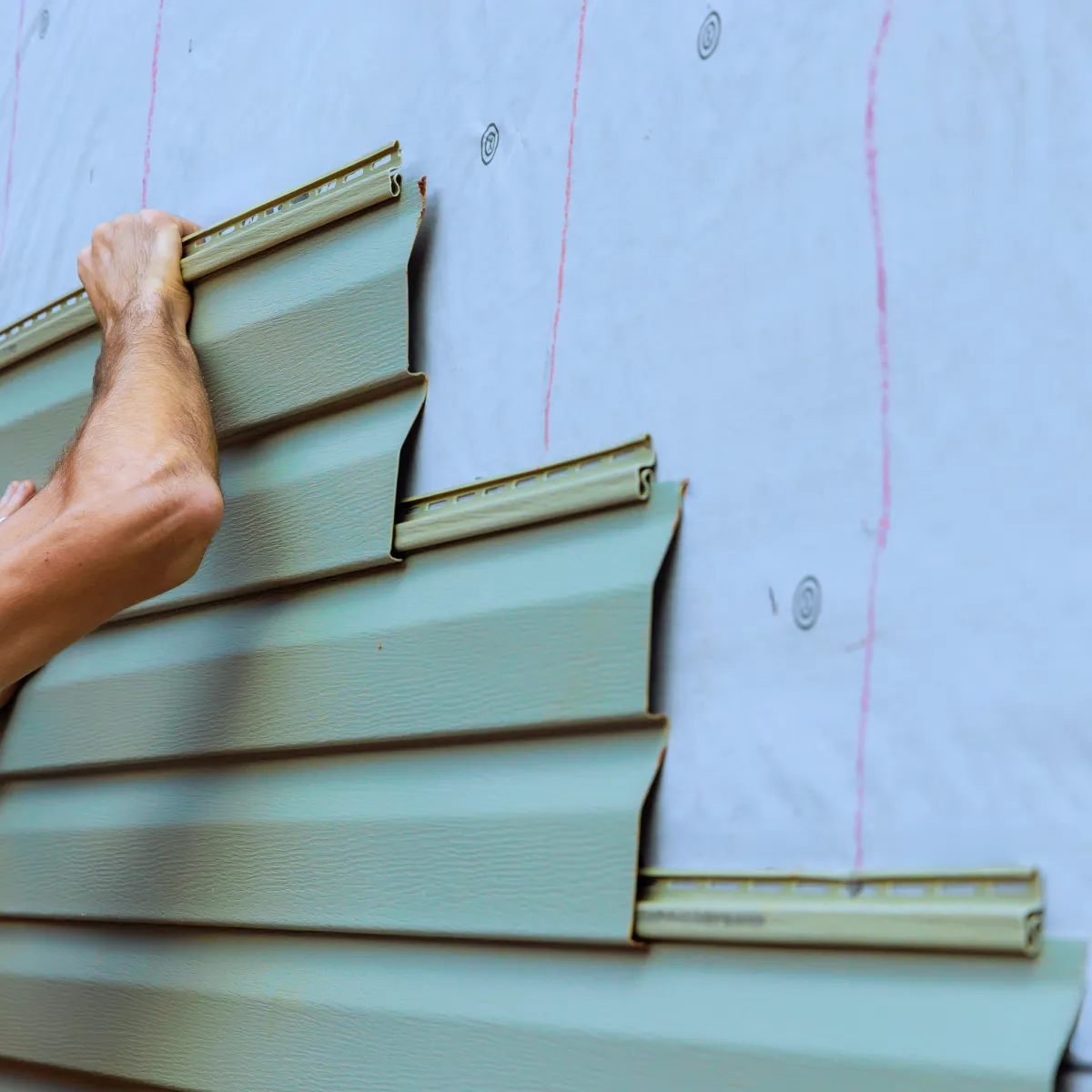
Vinyl siding is a cost-effective, low-maintenance exterior solution available in many colors and profiles. It resists moisture, fading, and pests.

Its ease of installation makes it a contractor favorite.

Fiber Cement Siding

Fiber cement siding offers the look of wood with superior durability and fire resistance. It performs well in harsh climates.

This siding option delivers long-term value and premium appearance.

Decorative Siding

Decorative siding adds architectural detail and visual interest to building exteriors. It enhances curb appeal and design flexibility.

Contractors use decorative siding to create custom, high-end finishes.

Trims & Accessories

Trim and accessories provide clean lines and professional finishes for siding installations. They protect edges and enhance appearance.

These components ensure a polished, durable exterior.

Rain Gutter

Rain Gutter Info

Rain gutter systems manage water runoff to protect foundations and landscaping. Proper drainage prevents long-term structural damage.

Contractors rely on gutters to complete exterior systems.

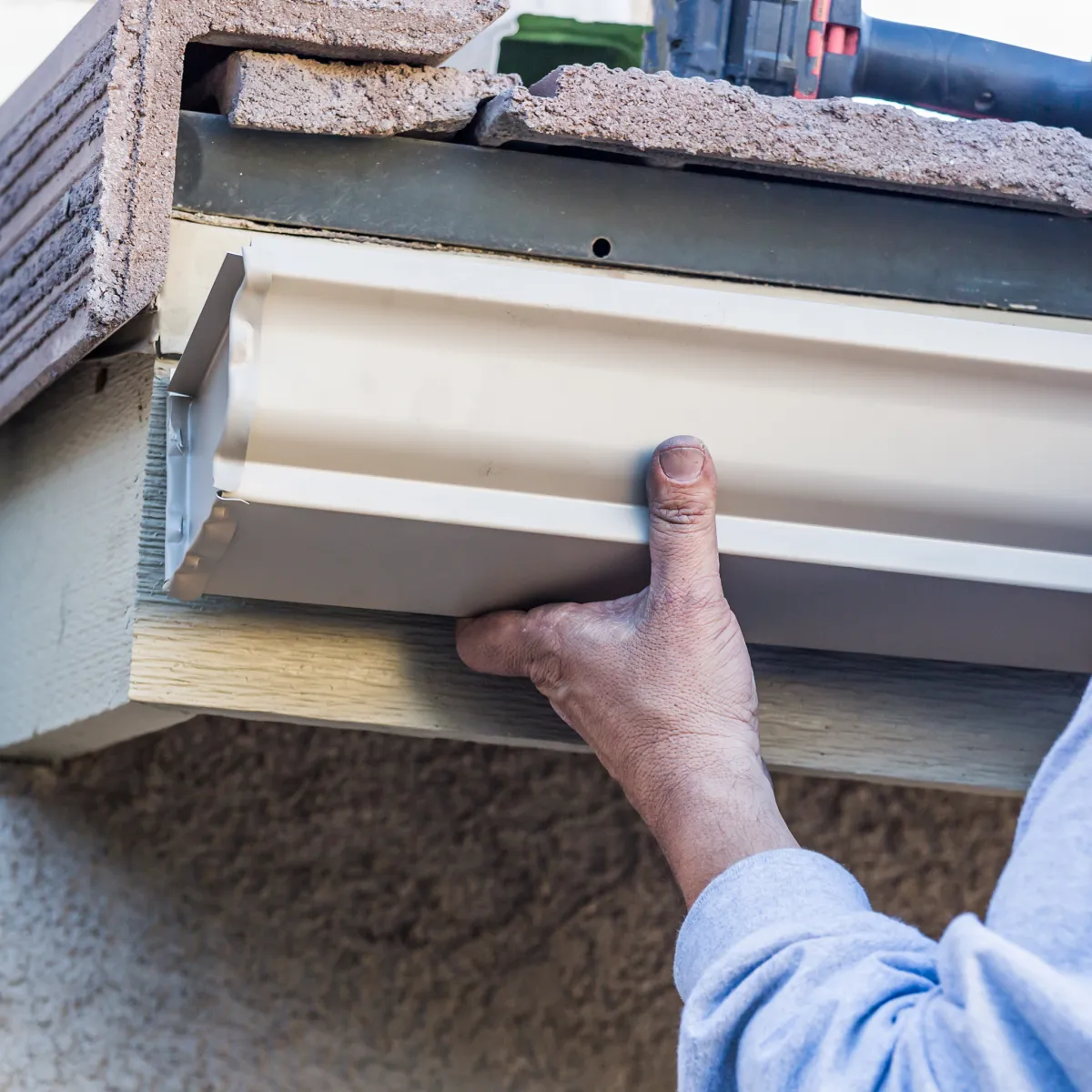
Aluminum Gutter

Aluminum gutters are lightweight, rust-resistant, and durable. They provide reliable water management with minimal maintenance.

Their versatility makes them suitable for most residential applications.

Gutter Guards

Gutter guards reduce debris buildup and maintenance needs. They improve water flow and prevent clogs.

These systems help homeowners avoid frequent cleanings.

Downspouts

Downspouts direct water safely away from the building. Proper placement protects foundations and siding.

They are essential for effective drainage systems.

Gutter Accessories

Gutter accessories include hangers, corners, and extensions that ensure proper installation. They improve performance and longevity.

These components support professional results.

Windows & Doors

Windows & Doors Info

Windows and doors improve energy efficiency, security, and aesthetics. Quality products enhance comfort and property value.

Contractors rely on dependable brands for consistent performance.

Windows

Windows provide natural light, ventilation, and insulation. Modern designs improve energy efficiency and appearance.

They are essential for both new construction and renovations.

Skylights

Skylights bring natural light into interior spaces while enhancing design appeal. They improve ambiance and energy efficiency.

Proper installation ensures leak-free performance.

Entry Doors

Entry doors offer security, insulation, and curb appeal. They are available in various materials and styles.

A quality door makes a strong first impression.

Wood & Decking

Decking

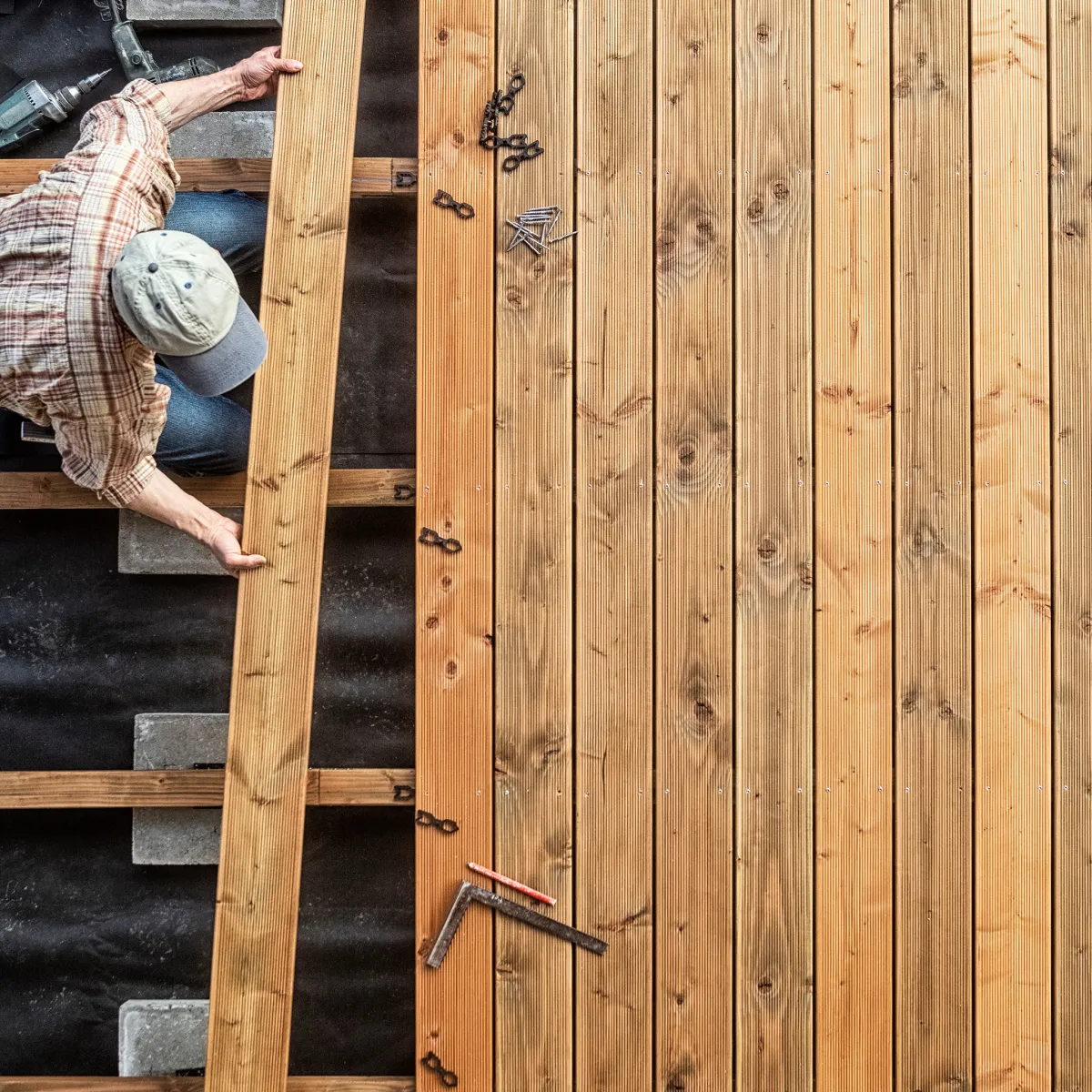
Decking materials provide outdoor living spaces that are functional and attractive. Durable products ensure long-term performance.

Contractors rely on decking for residential enhancements.

Composite Decking

Composite decking offers the look of wood with minimal maintenance. It resists rot, fading, and moisture.

This material provides long-term value and durability.

Railing

Railing systems enhance safety and design for decks and stairs. They are available in multiple styles and materials.

Railings complete outdoor projects with a polished look.

OSB

Oriented Strand Board (OSB) is a strong, cost-effective sheathing material. It provides structural support for walls and roofs.

OSB is widely used in residential construction.

Plywood

Plywood offers strength, stability, and versatility for construction projects. It performs well in roofing and flooring applications.

Contractors rely on plywood for dependable performance.

Drywall

Drywall Info

Drywall provides smooth interior wall and ceiling surfaces. It is easy to install and finish.

Drywall products support efficient interior construction.

Drywall Sheets

Drywall sheets form the base for finished interior surfaces. They are available in various sizes and thicknesses.

They offer consistent quality and performance.

Drywall Compound

Drywall compound is used for finishing joints and repairs. It creates smooth, seamless surfaces.

Quality compound improves finish results.


Drywall Accessories

Drywall accessories include tape, corner bead, and fasteners. They ensure durability and clean finishes.

These components support professional installations.

Flooring

Flooring Info

Flooring materials provide durability, comfort, and style. Modern flooring options meet a wide range of design needs.

Contractors rely on flooring for interior finishes.

Luxury Vinyl

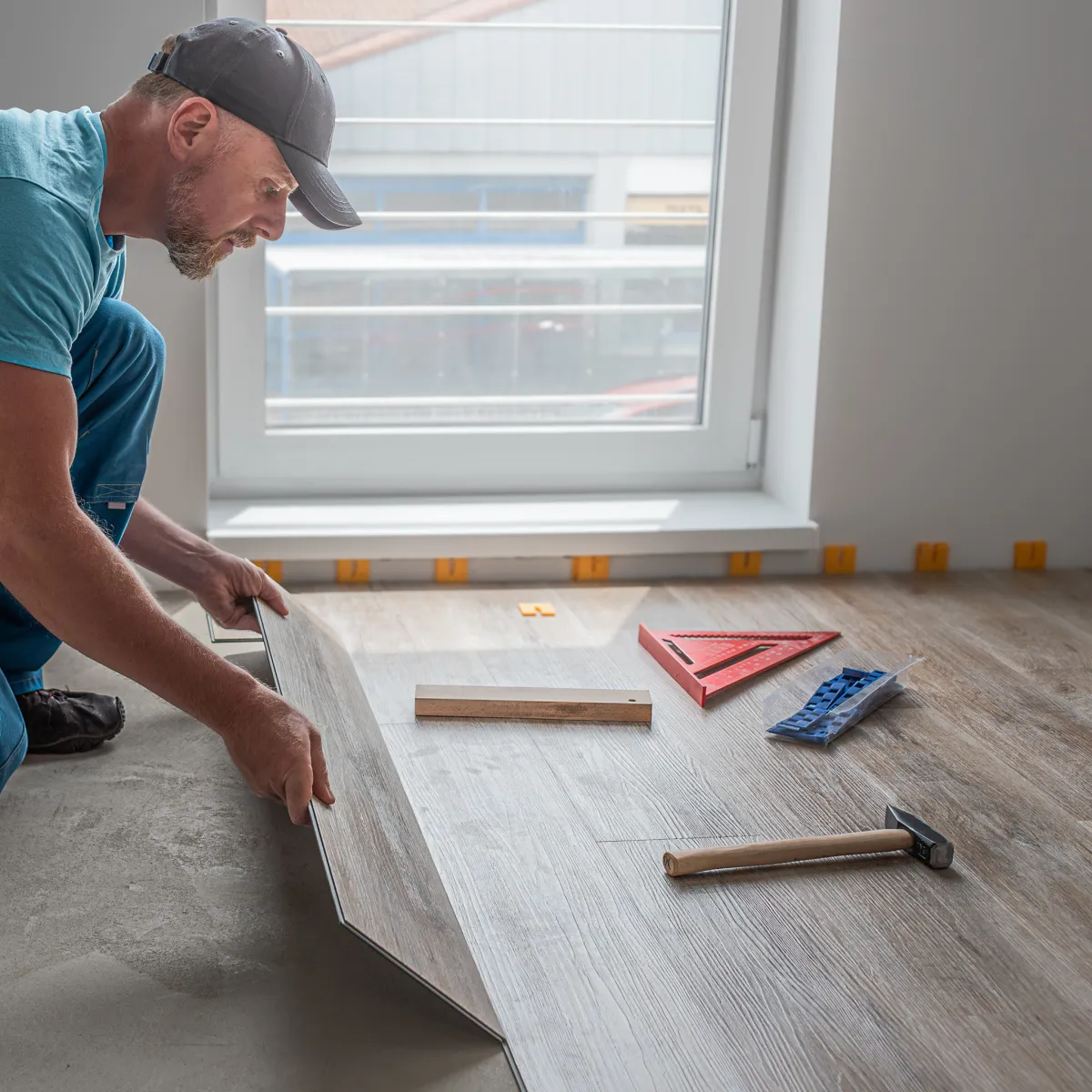
Luxury Vinyl flooring offers durability, water resistance, and attractive designs. It is easy to install and maintain. Stone Polymer Composite (SPC) flooring, is a type of vinyl flooring built on a rigid core made from stone and polymer materials.

This flooring is ideal for residential and commercial spaces.

Pine

Pine flooring delivers a natural, warm appearance. It adds character and charm to interior spaces.

Pine is a traditional choice for rustic designs.

Flooring Underlayment

Flooring underlayment improves comfort, sound reduction, and moisture protection. It enhances flooring performance.

Proper underlayment ensures long-term results.

Flooring Accessories

Flooring accessories include trims and transitions that complete installations. They provide clean edges and professional finishes.

These details enhance the overall look and durability of floors.