Synthetic Roofing Underlayment: Your Guide to Smarter Projects
Roofing Materials Guide

Synthetic Roofing Underlayment: Your Guide to Smarter Projects

Why synthetic beats felt on durability, safety, and job efficiency — and how to choose the right product for every project.

9 min read Roofing Materials
20x Lighter than felt
6–12 mo UV exposure rating
50+ Year lifespan
TL;DR

Synthetic roofing underlayment offers superior tear strength, moisture resistance, and faster installation compared to traditional felt. It's lighter, safer to walk on, and lasts as long as the primary roofing material — making it the smarter choice for contractors focused on quality and profitability.

What is Synthetic Roofing Underlayment?

Synthetic roofing underlayment is a high-performance, non-bituminous material made from woven polypropylene or polyester, designed to be a stronger, more durable, and water-resistant barrier than traditional felt. It serves as a critical secondary water barrier beneath the primary roofing material, protecting the roof deck from moisture intrusion during heavy rain or high winds.

Unlike felt, synthetic underlayment resists mold and mildew, offers UV stability for extended exposure, and remains dimensionally stable across a wide range of temperatures — preventing the wrinkling and cracking that felt is prone to.
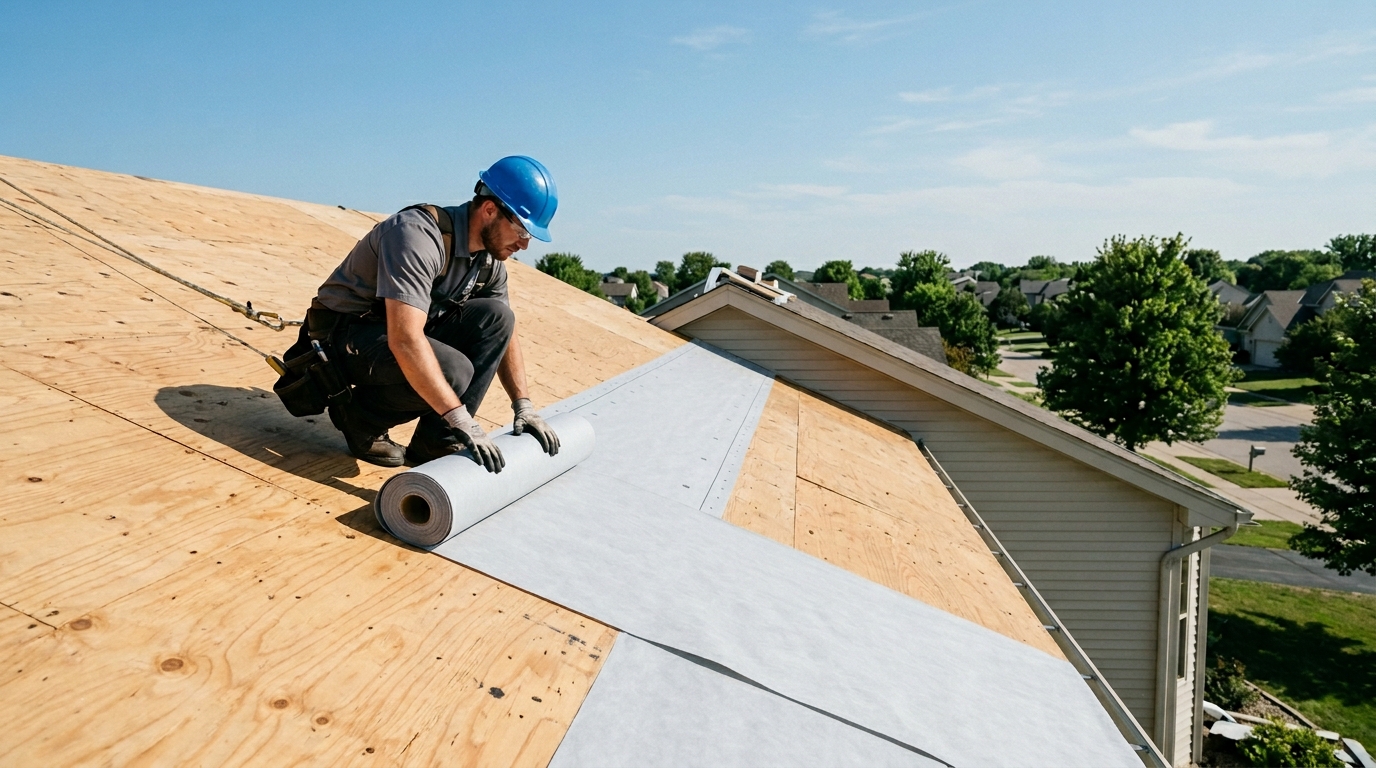
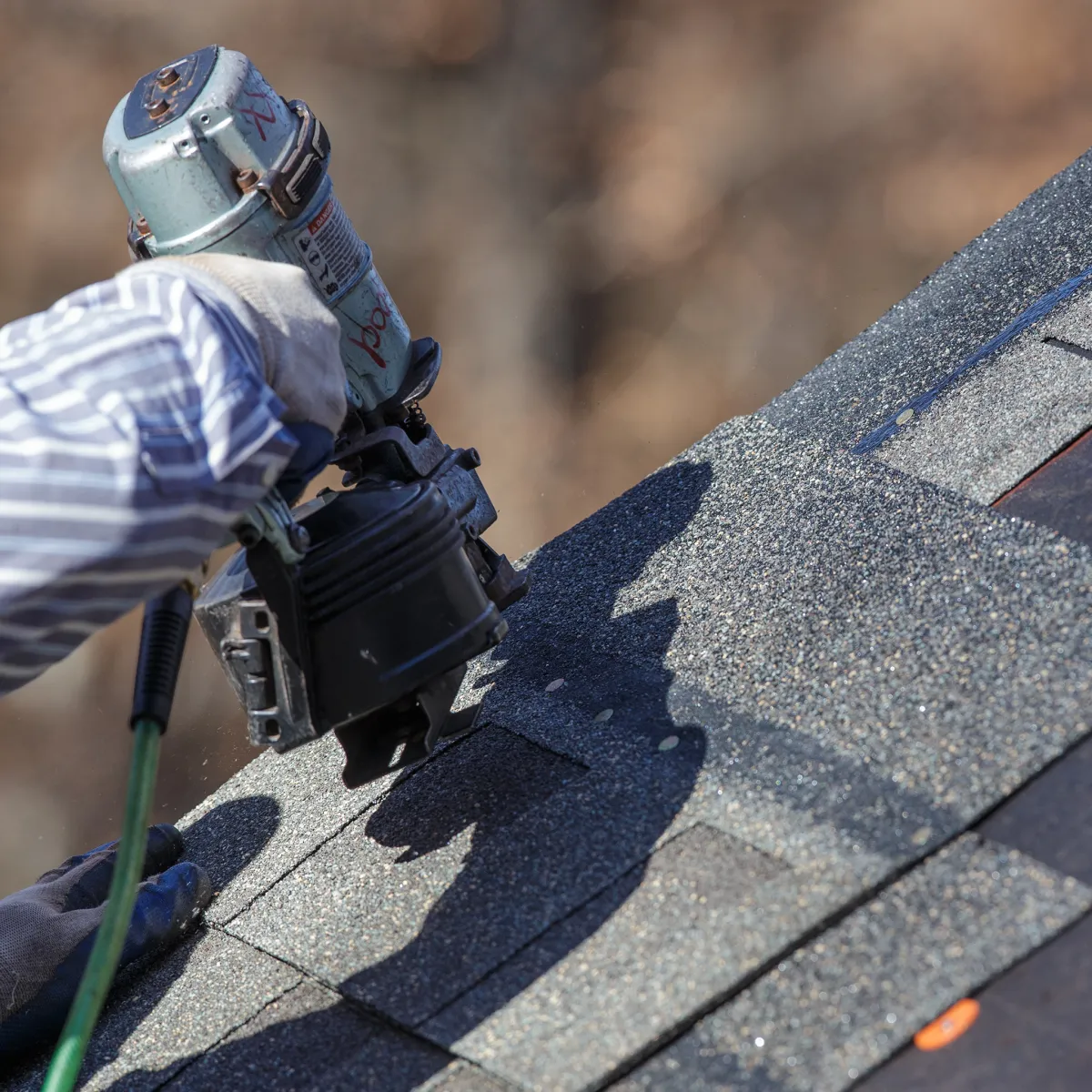
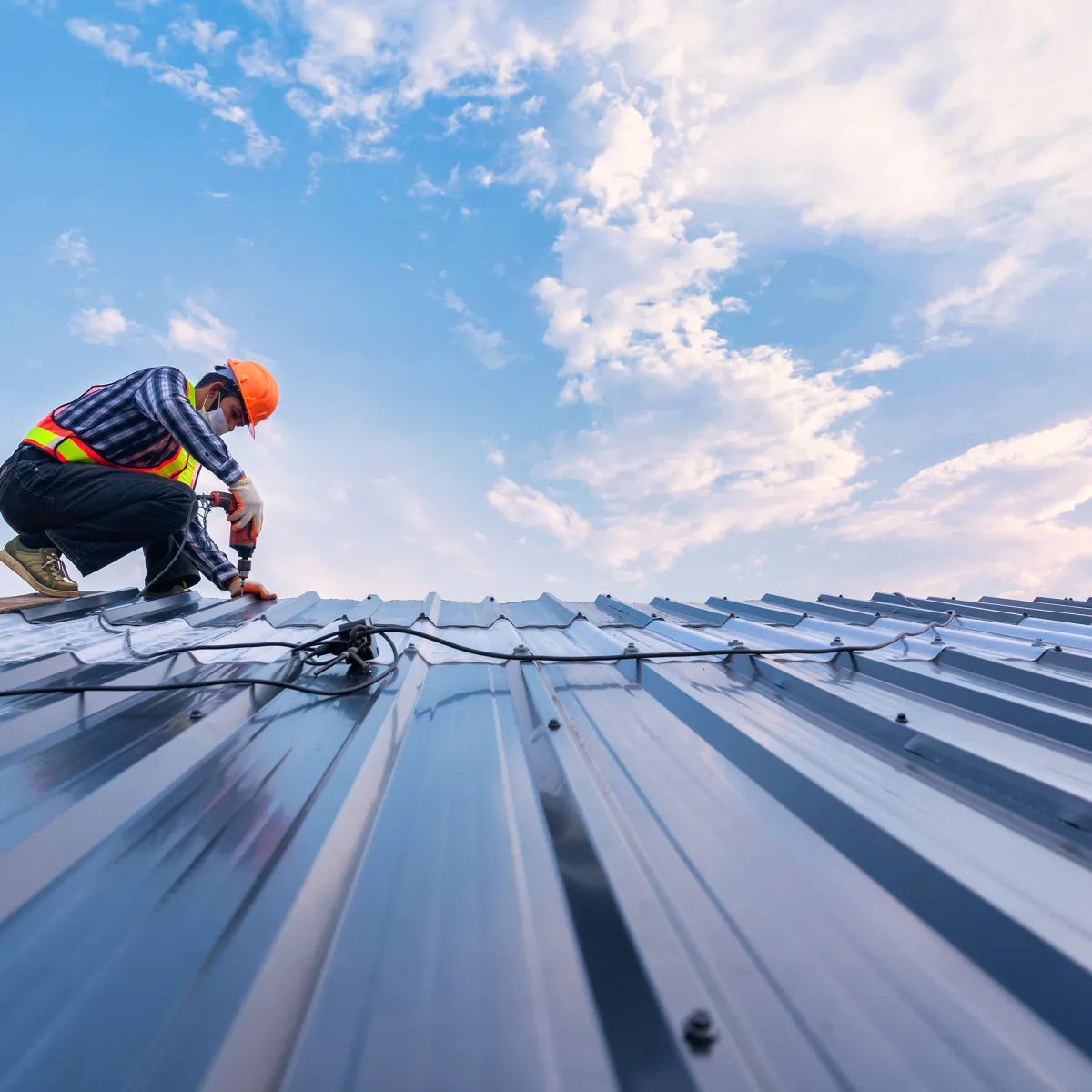
Contractor installing synthetic roofing underlayment on a residential roof deck

Enhanced Durability

Significantly higher tear and puncture resistance than felt — handles heavy foot traffic during construction and endures harsh weather over the roof's full lifespan.

Superior Weather Protection

Sheds water effectively while allowing moisture vapor to escape from the roof deck, preventing rot. Ideal for hot, humid climates like the Gulf South.

Lighter & Safer

Covers significantly more squares per roll at a fraction of the weight. Non-slip surface provides better foot traction on sloped roofs, especially in wet conditions.

Synthetic vs. Felt Underlayment

For decades, asphalt-saturated felt was the industry standard. Modern synthetic alternatives offer clear advantages that directly impact project quality, efficiency, and profitability.

Feature Synthetic Underlayment Asphalt Felt
Weight10x–20x lighter per squareHeavier, more rolls needed
Tear StrengthExtremely high, resists rippingLow, tears easily
Moisture ResistanceExcellent — sheds water, minimal absorptionAbsorbs moisture over time
UV Exposure6–12 months without degradationDegrades in days to weeks
WalkabilityNon-slip surface, safer for installersSlippery when wet or dusty
Lifespan50+ years, matches roofing material15–30 years
Temperature StabilityWon't crack in cold or wrinkle in heatProne to both
Overall ValueSuperior long-term, fewer callbacksLower long-term value

Understanding the Cost of Synthetic Underlayment

Synthetic underlayment carries a higher per-roll price than felt, but the total installed cost is often comparable or lower when you factor in labor savings, fewer rolls needed, and significantly reduced callback risk.

Buying wholesale synthetic underlayment in bulk provides the most significant cost advantage — fewer supplier transactions, better per-unit pricing, and consistent stock availability across multiple projects.

How to Install Synthetic Underlayment for Optimal Performance

Correct installation maximizes the material's benefits and ensures warranty compliance. Synthetic underlayment is easier and faster to work with than felt — but attention to detail still matters.

1

Prepare the Deck

Ensure the roof deck is clean, dry, and free of debris, nails, or sharp edges that could puncture the underlayment. Complete any deck repairs before installation begins.

2

Lay from Eaves Up

Begin at the eaves and work upward. Unroll evenly to avoid wrinkles or buckles. Fasten with cap nails or staples along manufacturer-marked lines — synthetics typically require fewer fasteners than felt.

3

Maintain Proper Overlap

Maintain 4–6 inches of horizontal overlap and 6 inches at vertical seams to create a continuous water-shedding barrier. Never allow gaps between courses.

4

Seal All Penetrations

Use approved sealing tapes or self-adhering strips around vents, skylights, and any roof penetrations. This is where most moisture failures originate — take extra care here.

Choosing the Best Synthetic Underlayment Brand

With many options on the market, knowing what to evaluate helps you consistently specify the right product for each project.

  • Tear Strength — Look for high tear and puncture resistance ratings in the product specs.
  • UV Resistance — How long can it be exposed before degradation? 6–12 months is the benchmark.
  • Weight & Coverage — Lighter rolls with more square footage per roll mean greater job efficiency.
  • Slip Resistance — A textured or coated surface for enhanced installer safety on steep pitches.
  • Permeability — Should allow trapped moisture to escape while blocking liquid water intrusion.
  • Warranty — A comprehensive manufacturer warranty indicates confidence in the product's performance.

Reputable manufacturers with a proven track record include Titanium, RhinoRoof, GAF, and Owens Corning — all of which offer well-documented performance data and strong contractor support programs.

Frequently Asked Questions

Is synthetic underlayment better than felt for all roofing types?

Generally yes. Synthetic underlayment offers superior performance across most roofing types — asphalt shingles, metal, tile, and slate. Its enhanced moisture protection and longevity make it the preferred choice for virtually all modern roofing applications.

How much does synthetic underlayment add to the total project cost?

While the per-roll cost is higher than felt, the overall impact is often minimal or net-neutral. Fewer rolls are needed, installation is faster, and its durability reduces the risk of costly callbacks — making it a smart investment that frequently pays for itself.

Can I walk on synthetic underlayment during installation?

Yes. Most synthetic underlayments are designed with a non-slip walking surface, making them significantly safer than felt on steep slopes or in damp conditions. Always exercise standard fall protection protocols regardless.

Where can I buy wholesale synthetic underlayment?

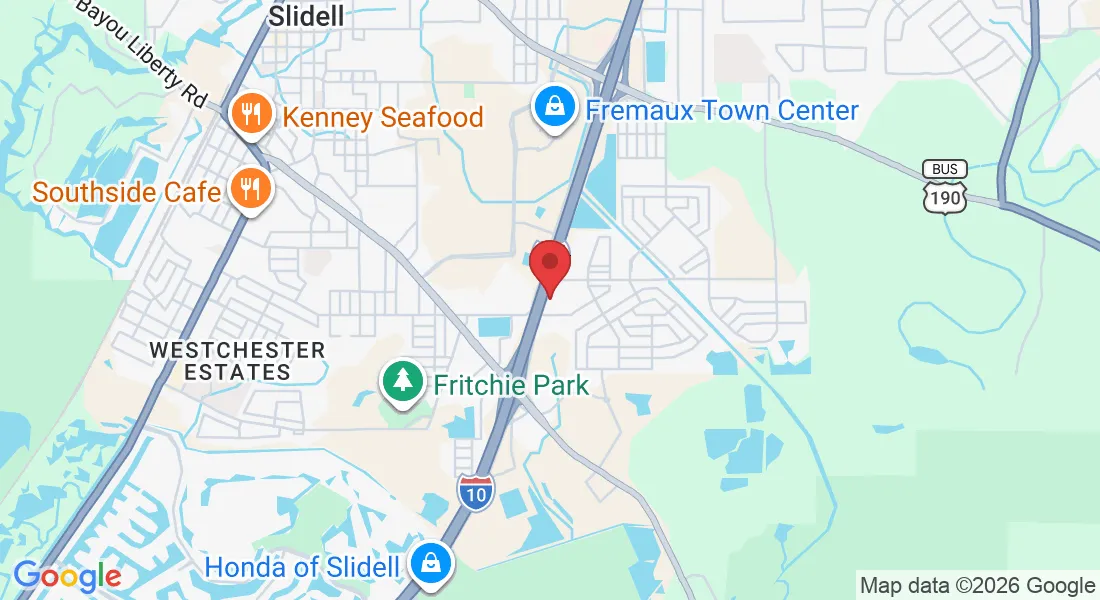
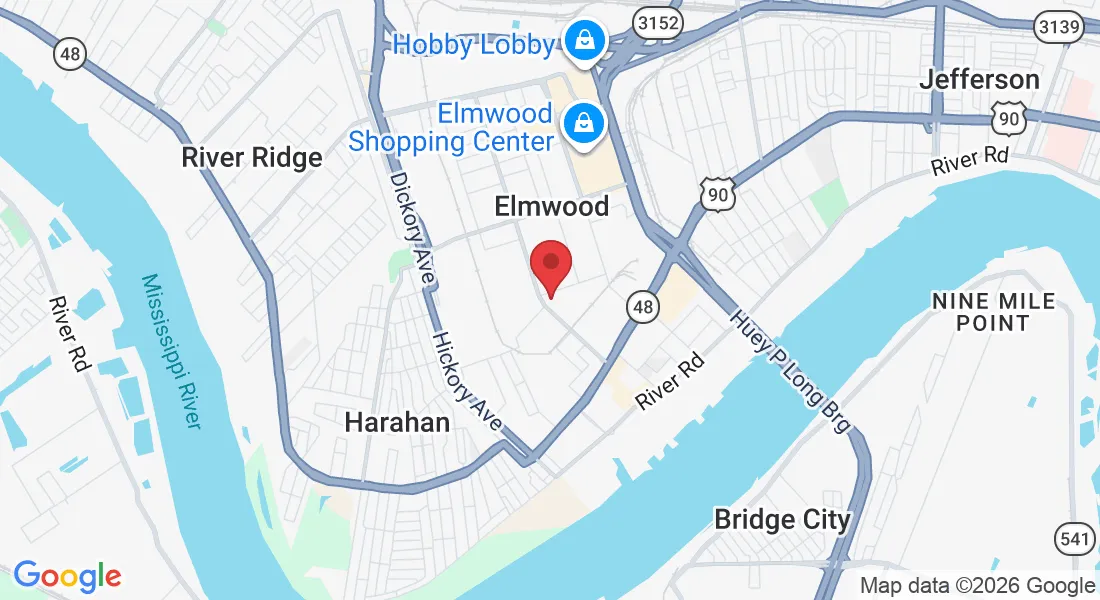
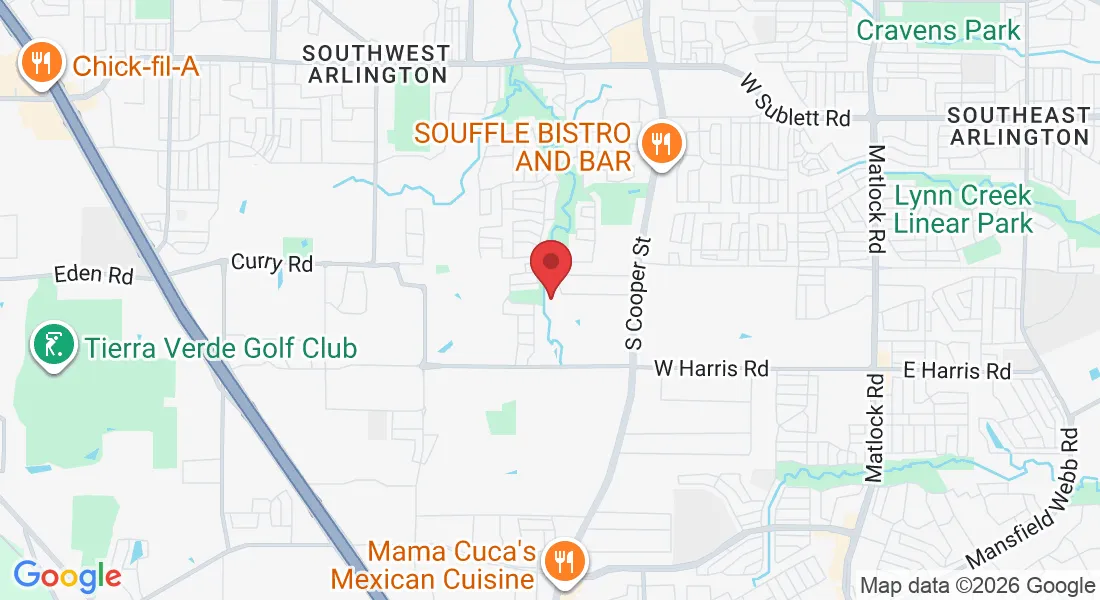
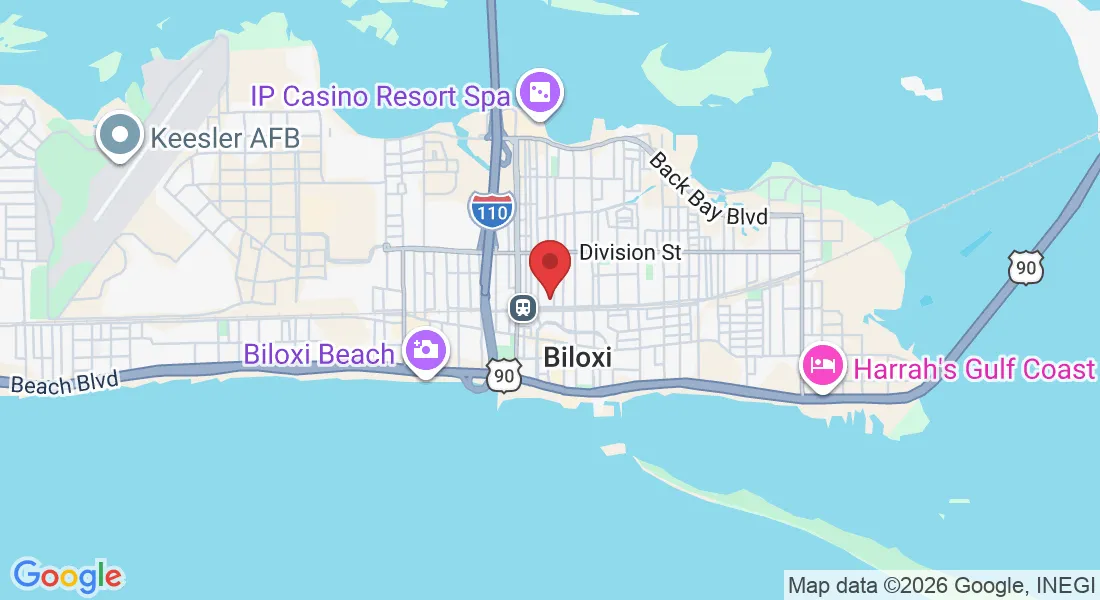
Murphy's Roofing Supply offers competitive wholesale pricing on a wide selection of synthetic underlayment brands, with locations in Biloxi, MS; Slidell, LA; Arlington, TX; and Elmwood, LA — plus job site delivery options.
Related guides for roofing contractors

Order for pickup or jobsite delivery at Arlington, TX, Biloxi, MS, Slidell, LA, or Elmwood, LA.

Get Contractor Pricing Today

our Complete Line of Building Products

Steep Slope Roofing

steep slope roofing

Steep Slope Roofing Info

Steep slope roofing systems are designed for residential and light commercial buildings where water runoff is critical. These systems combine durability, visual appeal, and proven performance across a wide range of climates. Contractors rely on steep slope roofing for dependable protection and curb appeal that meets homeowner expectations.

Asphalt Shingles

Asphalt shingles are the most popular roofing choice because they are affordable, easy to install, and available in a wide variety of colors and styles.

Asphalt roofing offers contractors a cost-effective solution that installs quickly and requires minimal maintenance. It provides reliable weather protection, strong manufacturer warranties, and consistent performance, making it an ideal option for both new construction and reroofing projects.

Synthetic Roof Tiles

Synthetic roof tiles provide the appearance of slate or shake while being lighter, more durable, and easier to install. They deliver high-end aesthetics without the cost or structural challenges of natural materials.

These products are made from recycled materials and offer excellent resistance to fire, wind, and extreme weather. With low maintenance requirements and long service life, synthetic roof tiles allow contractors to deliver premium results while maintaining strong margins.

Slate Roof Tiles

Slate roof tiles offer unmatched beauty and longevity, making them a premium choice for high-end residential and historic properties. Natural slate delivers a distinctive look that enhances property value.

While installation requires skilled labor, slate roofing rewards contractors and homeowners with exceptional durability, fire resistance, and a lifespan that can exceed 100 years when properly installed.

Metal Roofing

Metal roofing provides exceptional durability, energy efficiency, and long-term performance. Available in multiple profiles and finishes, it suits both residential and commercial applications.

Metal roofs resist fire, wind, and impact damage while requiring minimal maintenance. Their long lifespan and energy-reflective properties make them a smart investment for homeowners and a reliable product for contractors.

Low Slope Roofing

Low Slope Roofing Info

Low slope roofing systems are engineered to manage water efficiently on commercial and industrial buildings. These systems prioritize waterproofing, durability, and ease of maintenance.

Contractors rely on low slope roofing for proven performance, compatibility with insulation systems, and flexibility across a wide range of building designs.

Single Ply Roofing

Single ply roofing membranes offer a lightweight, flexible, and cost-effective solution for low slope applications. These systems install quickly and provide excellent resistance to UV exposure and weathering.

They are ideal for commercial projects where speed, performance, and long-term durability are critical. Single ply systems also support energy-efficient building designs.

Structured Metal Panels

Structural metal panels deliver strength, longevity, and superior weather resistance for commercial roofing applications. They are engineered to span long distances and handle heavy loads.

These systems offer contractors a durable, low-maintenance roofing solution with long service life and excellent performance in harsh environments.

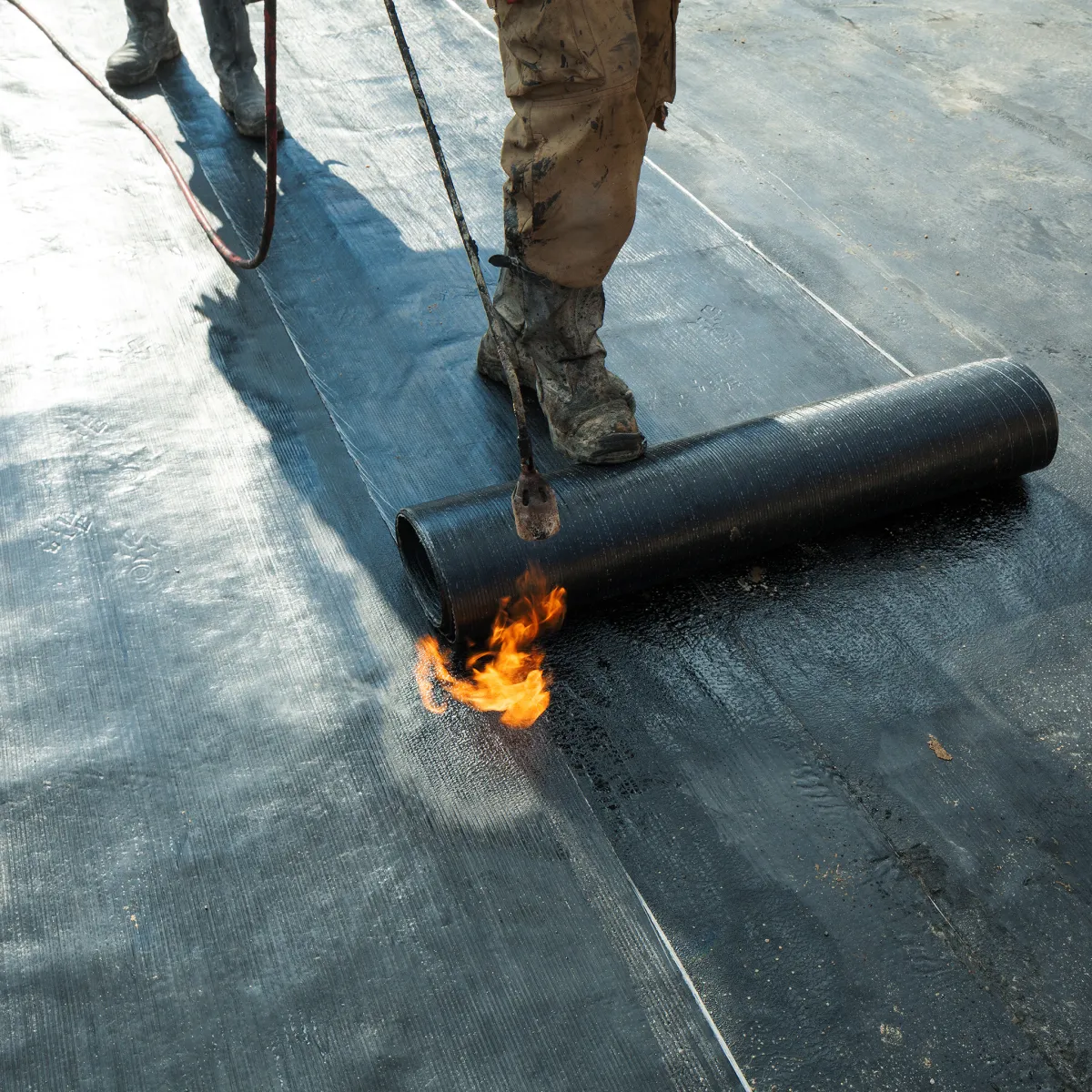
Modified Bitumen Roofing

Modified bitumen roofing combines traditional asphalt with modern polymer technology to enhance flexibility and durability. It performs well in extreme temperatures and high-traffic areas.

This system is a reliable choice for contractors seeking proven waterproofing, strong adhesion, and ease of repair over the roof’s lifespan.

Built-Up Roofing

Built-up roofing (BUR) systems consist of multiple layers of asphalt and reinforcement for maximum protection. This time-tested solution provides excellent waterproofing and durability.

BUR systems are ideal for flat or low slope roofs where long-term performance and redundancy are essential.

Coatings

Roof coatings extend the life of existing roofing systems by adding a protective, weather-resistant layer. They help improve energy efficiency and reduce maintenance costs.

Contractors use coatings as a cost-effective solution for roof restoration and preventative maintenance.

roofing accessories

Roofing Accessories Info

Roof accessories are essential components that enhance roof performance, ventilation, and longevity. They ensure proper water management and airflow.

Using the right accessories helps contractors deliver complete, code-compliant roofing systems.

Underlayment

Underlayment provides a critical moisture barrier beneath roofing materials. It adds protection against water intrusion and enhances overall roof durability.

High-quality underlayment improves installation reliability and long-term performance.

Metal Roofing Accessories

Metal roofing accessories include trim, flashing, and closures that ensure proper fit and finish. They improve weather resistance and roof appearance.

These components are essential for professional, long-lasting metal roof installations.

Fasteners

Roofing fasteners are engineered for strength, corrosion resistance, and long-term holding power. Proper fasteners ensure system integrity.

Using manufacturer-approved fasteners reduces callbacks and improves roof performance.

Cements and Coatings

Roofing cements and coatings provide sealing, bonding, and waterproofing for repairs and installations. They are essential for detailing and maintenance work.

These products help contractors achieve watertight, durable roofing systems.

Vents

Roof vents promote proper attic ventilation, reducing heat and moisture buildup. This improves roof lifespan and energy efficiency.

Effective ventilation helps prevent mold, ice dams, and premature roof failure.

Ice & Water Underlayment

Ice and water underlayment offers self-adhering protection in vulnerable roof areas. It seals around fasteners and prevents leaks caused by ice dams and wind-driven rain.

This added protection is critical in cold and storm-prone regions.

Insulation

Insulation Info

Insulation plays a vital role in energy efficiency, comfort, and moisture control. Proper insulation reduces heating and cooling costs.

Contractors rely on insulation solutions to meet building codes and improve overall system performance.

Rigid Roofing Insulation

Rigid insulation provides high thermal resistance and structural stability for roofing systems. It is ideal for commercial and low slope applications.

This insulation improves energy efficiency while supporting roof durability.

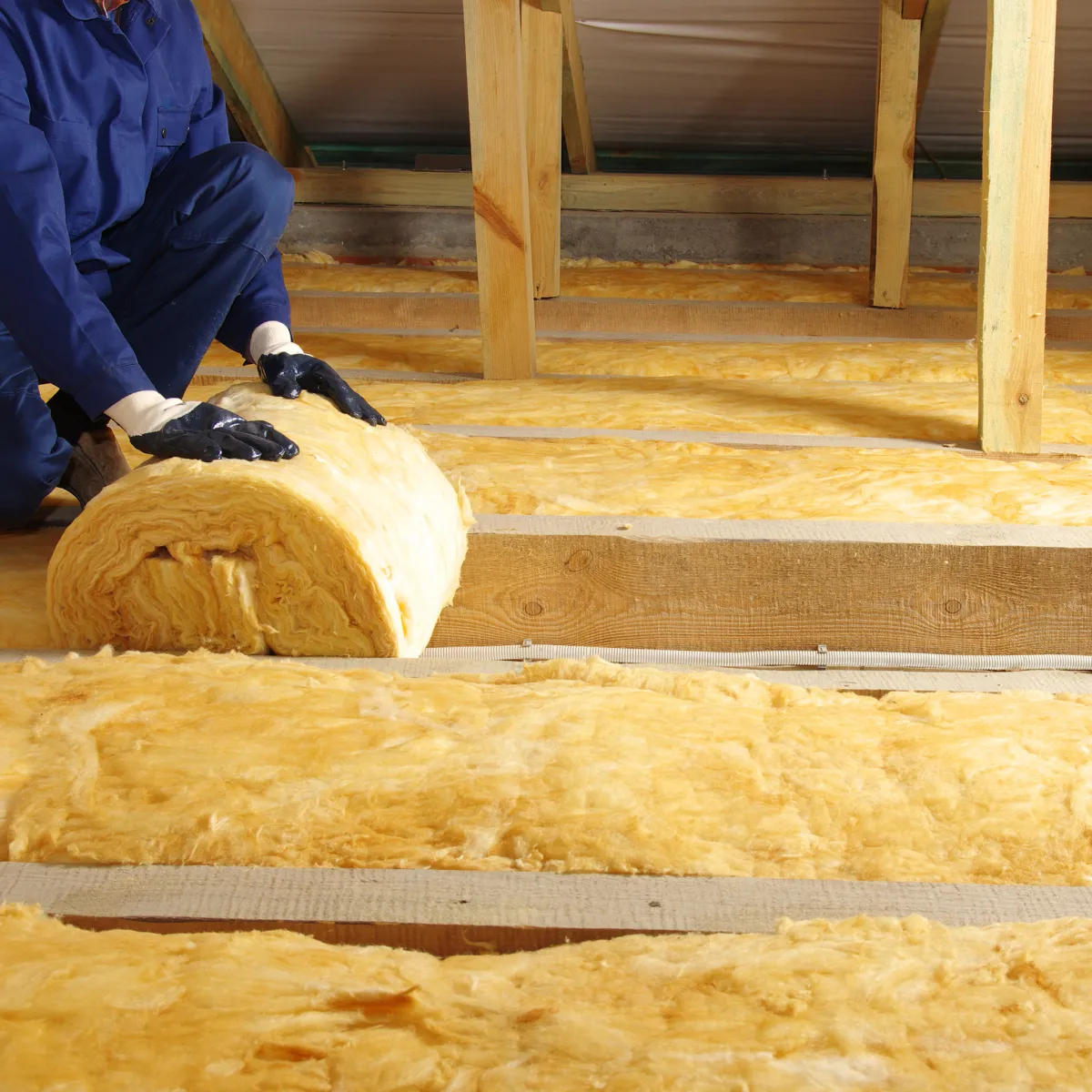
Fiberglass Batt Insulation

Fiberglass batt insulation is an affordable, easy-to-install solution for walls and attics. It provides reliable thermal and sound insulation.

Its flexibility makes it a popular choice for residential construction and remodeling.

Blown-In Insulation

Blown-in insulation fills gaps and hard-to-reach areas, providing consistent thermal coverage. It improves energy efficiency and indoor comfort.

This option is ideal for retrofits and attic applications.

Siding

Siding Info

Siding enhances curb appeal while protecting buildings from the elements. Modern siding materials offer durability and low maintenance.

Contractors rely on siding to deliver both aesthetic and functional benefits.

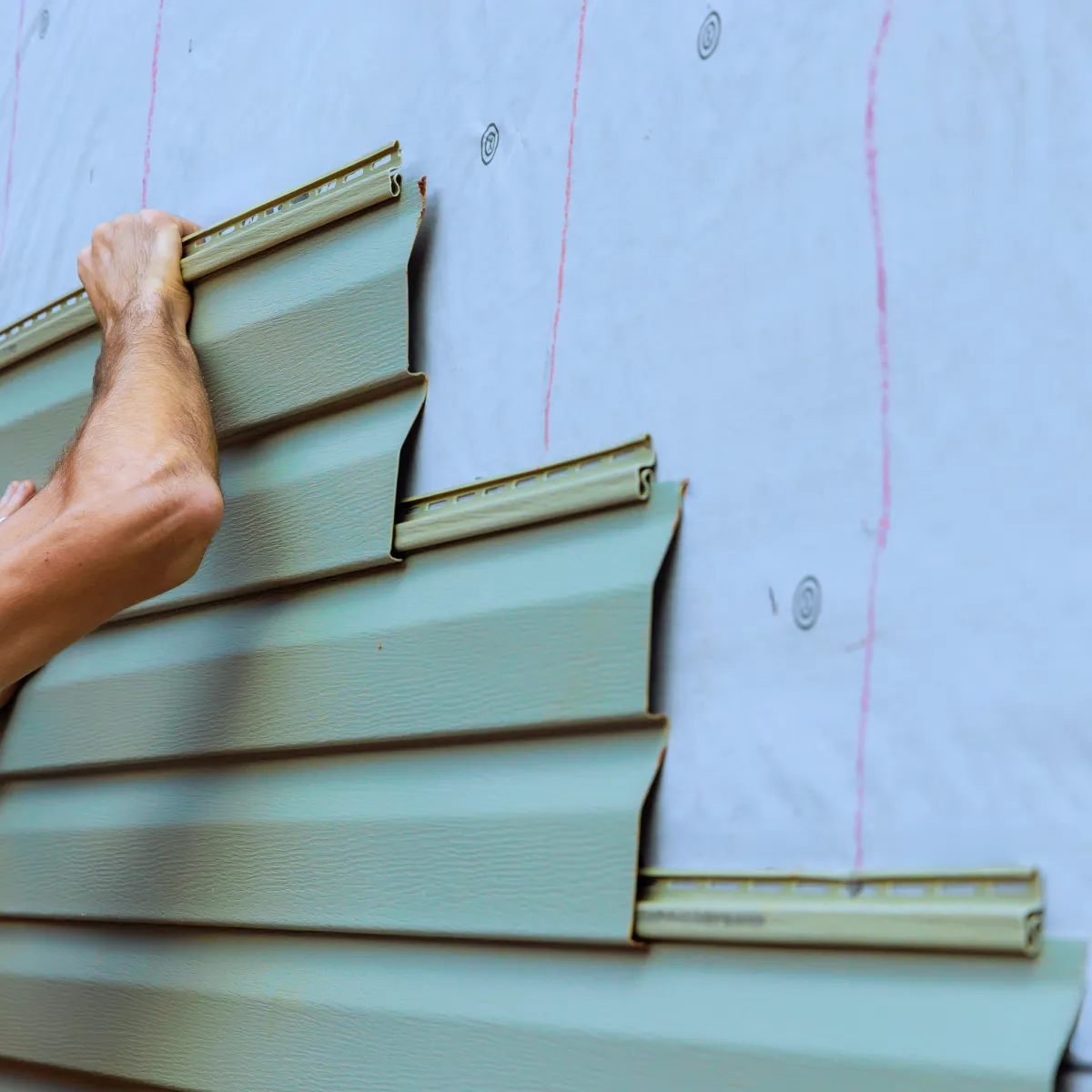
Vinyl Siding

Vinyl siding is a cost-effective, low-maintenance exterior solution available in many colors and profiles. It resists moisture, fading, and pests.

Its ease of installation makes it a contractor favorite.

Fiber Cement Siding

Fiber cement siding offers the look of wood with superior durability and fire resistance. It performs well in harsh climates.

This siding option delivers long-term value and premium appearance.

Decorative Siding

Decorative siding adds architectural detail and visual interest to building exteriors. It enhances curb appeal and design flexibility.

Contractors use decorative siding to create custom, high-end finishes.

Trims & Accessories

Trim and accessories provide clean lines and professional finishes for siding installations. They protect edges and enhance appearance.

These components ensure a polished, durable exterior.

Rain Gutter

Rain Gutter Info

Rain gutter systems manage water runoff to protect foundations and landscaping. Proper drainage prevents long-term structural damage.

Contractors rely on gutters to complete exterior systems.

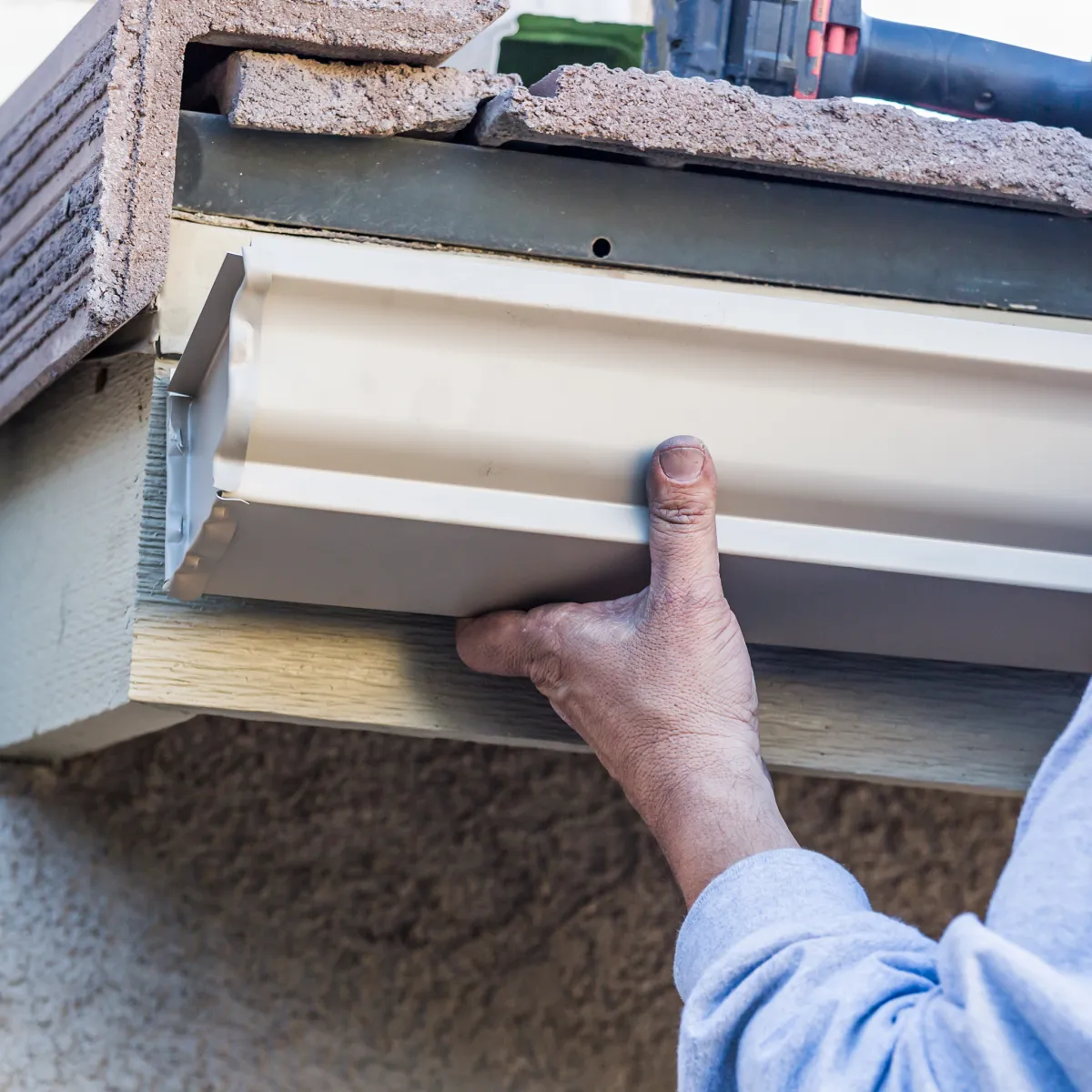
Aluminum Gutter

Aluminum gutters are lightweight, rust-resistant, and durable. They provide reliable water management with minimal maintenance.

Their versatility makes them suitable for most residential applications.

Gutter Guards

Gutter guards reduce debris buildup and maintenance needs. They improve water flow and prevent clogs.

These systems help homeowners avoid frequent cleanings.

Downspouts

Downspouts direct water safely away from the building. Proper placement protects foundations and siding.

They are essential for effective drainage systems.

Gutter Accessories

Gutter accessories include hangers, corners, and extensions that ensure proper installation. They improve performance and longevity.

These components support professional results.

Windows & Doors

Windows & Doors Info

Windows and doors improve energy efficiency, security, and aesthetics. Quality products enhance comfort and property value.

Contractors rely on dependable brands for consistent performance.

Windows

Windows provide natural light, ventilation, and insulation. Modern designs improve energy efficiency and appearance.

They are essential for both new construction and renovations.

Skylights

Skylights bring natural light into interior spaces while enhancing design appeal. They improve ambiance and energy efficiency.

Proper installation ensures leak-free performance.

Entry Doors

Entry doors offer security, insulation, and curb appeal. They are available in various materials and styles.

A quality door makes a strong first impression.

Wood & Decking

Decking

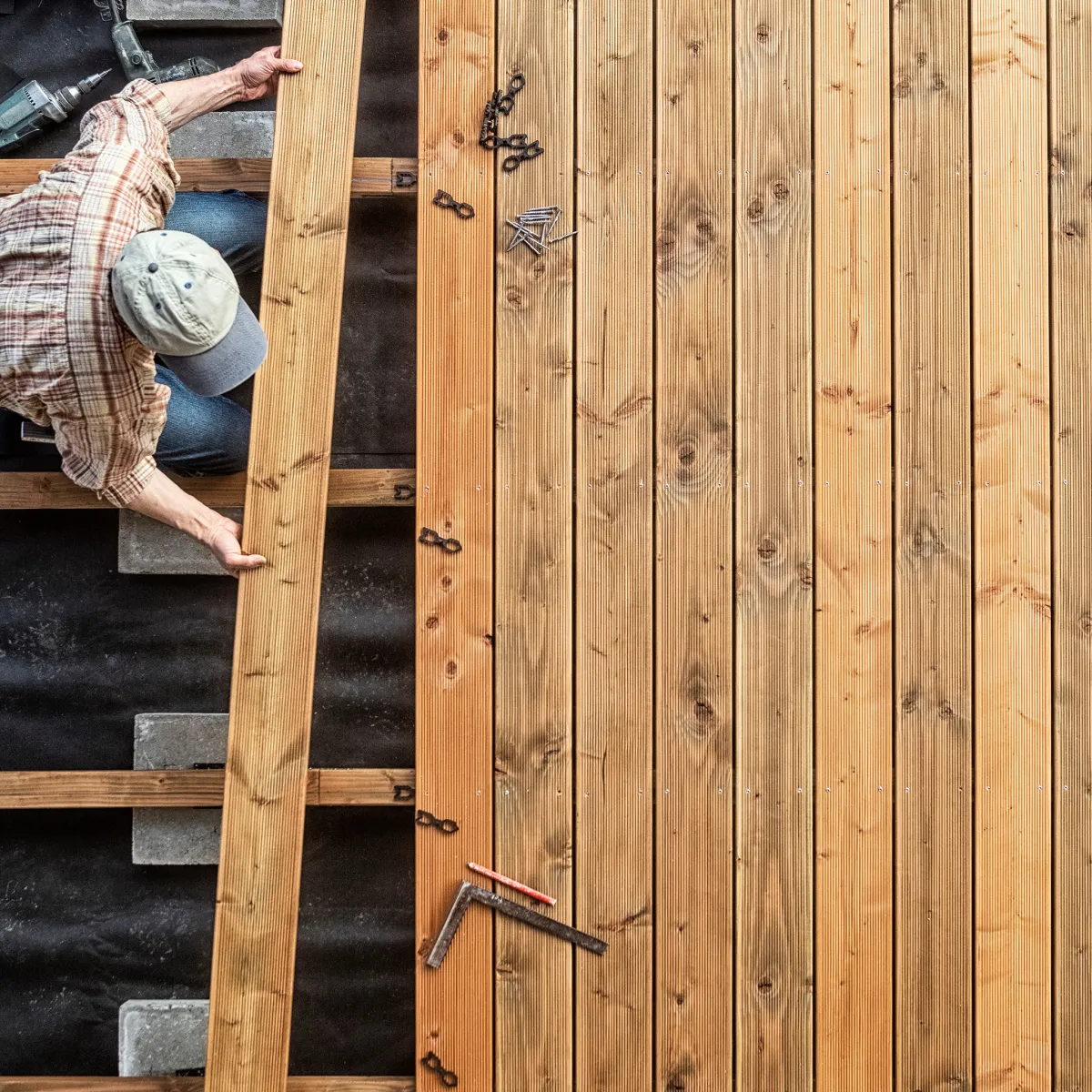
Decking materials provide outdoor living spaces that are functional and attractive. Durable products ensure long-term performance.

Contractors rely on decking for residential enhancements.

Composite Decking

Composite decking offers the look of wood with minimal maintenance. It resists rot, fading, and moisture.

This material provides long-term value and durability.

Railing

Railing systems enhance safety and design for decks and stairs. They are available in multiple styles and materials.

Railings complete outdoor projects with a polished look.

OSB

Oriented Strand Board (OSB) is a strong, cost-effective sheathing material. It provides structural support for walls and roofs.

OSB is widely used in residential construction.

Plywood

Plywood offers strength, stability, and versatility for construction projects. It performs well in roofing and flooring applications.

Contractors rely on plywood for dependable performance.

Drywall

Drywall Info

Drywall provides smooth interior wall and ceiling surfaces. It is easy to install and finish.

Drywall products support efficient interior construction.

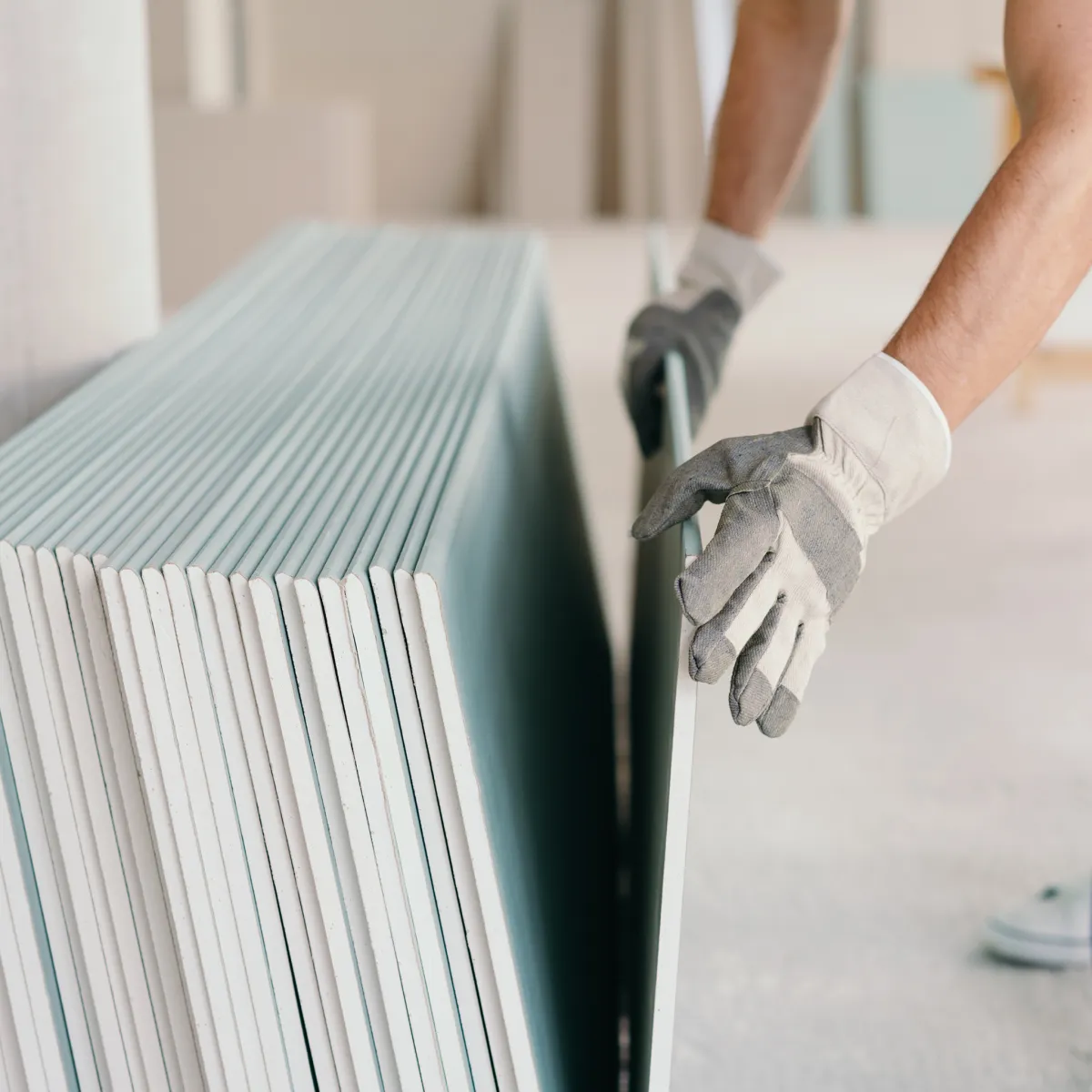
Drywall Sheets

Drywall sheets form the base for finished interior surfaces. They are available in various sizes and thicknesses.

They offer consistent quality and performance.

Drywall Compound

Drywall compound is used for finishing joints and repairs. It creates smooth, seamless surfaces.

Quality compound improves finish results.


Drywall Accessories

Drywall accessories include tape, corner bead, and fasteners. They ensure durability and clean finishes.

These components support professional installations.

Flooring

Flooring Info

Flooring materials provide durability, comfort, and style. Modern flooring options meet a wide range of design needs.

Contractors rely on flooring for interior finishes.

Luxury Vinyl

Luxury Vinyl flooring offers durability, water resistance, and attractive designs. It is easy to install and maintain. Stone Polymer Composite (SPC) flooring, is a type of vinyl flooring built on a rigid core made from stone and polymer materials.

This flooring is ideal for residential and commercial spaces.

Pine

Pine flooring delivers a natural, warm appearance. It adds character and charm to interior spaces.

Pine is a traditional choice for rustic designs.

Flooring Underlayment

Flooring underlayment improves comfort, sound reduction, and moisture protection. It enhances flooring performance.

Proper underlayment ensures long-term results.

Flooring Accessories

Flooring accessories include trims and transitions that complete installations. They provide clean edges and professional finishes.

These details enhance the overall look and durability of floors.