Roofing flashing aluminum is a corrosion-resistant, lightweight, and cost-effective solution for sealing vulnerable roof junctures. Understanding flashing types, gauges, and proper installation techniques ensures superior roof integrity and fewer callbacks.
What is Roofing Flashing Aluminum?
Roofing flashing aluminum is a thin, impermeable sheet of aluminum installed at critical junctures on a roof to prevent water penetration. Its primary role is to create a watertight seal where different roof planes meet, around penetrations like chimneys and vents, and along edges — diverting water away from vulnerable areas into the gutter system.
Aluminum flashing is chosen for its excellent corrosion resistance, lightweight handling, and cost-effectiveness compared to metals like copper. Available in various gauges and pre-formed shapes, it provides a versatile solution for almost any roofing application.
Why Choose Aluminum for Roofing Flashing?
When comparing aluminum vs copper roof flashing, aluminum offers a significant cost advantage while still delivering excellent protection. Copper is highly durable and aesthetically appealing, but comes at a much higher price point — making aluminum the smarter choice for contractors managing project costs without compromising quality.
Unlike steel, aluminum does not rust — making it especially reliable in humid climates like the Gulf South where corrosion resistance is critical for long-term performance.
Types of Aluminum Roof Flashing
Each flashing type is designed to address specific vulnerability points. Using the correct type ensures comprehensive protection and effective water direction.
Drip Edge
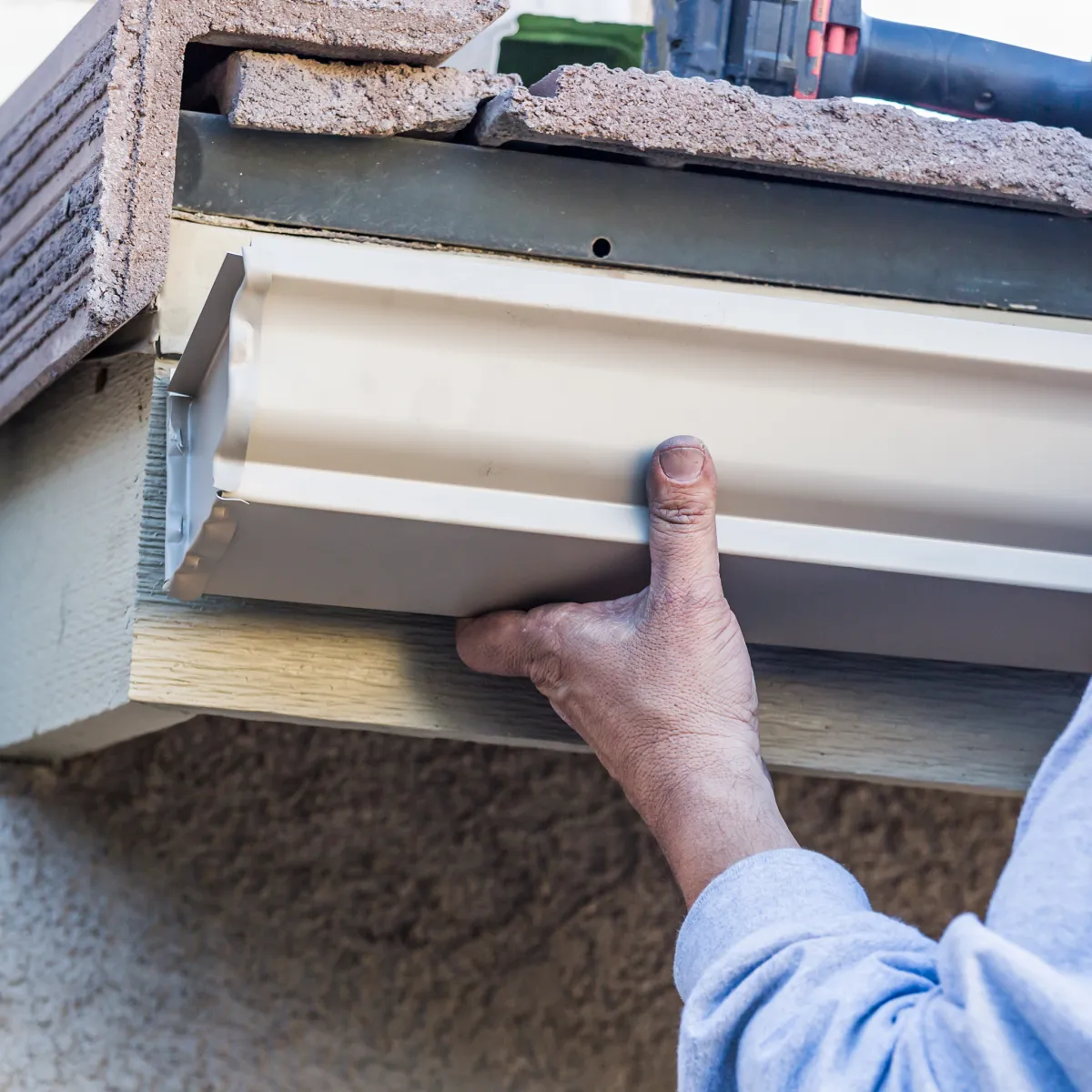
Installed along eaves and rake edges to direct water into gutters, preventing wicking back under shingles and protecting the fascia and roof deck.
Step Flashing
L-shaped pieces woven with shingle courses where a roof meets a vertical wall or chimney. The overlapping stair-step effect effectively sheds water down the roof.
Counter Flashing
Installed over step flashing around chimneys or parapet walls, embedded into mortar joints and bent downward to prevent water from getting behind the step flashing.
Valley Flashing
Installed where two roof planes intersect, forming a channel that funnels large volumes of water off the roof. Available in open or closed configurations.
Apron Flashing
A single continuous piece at the base of a chimney or skylight, extending down onto the shingles to provide a wide area of protection at the structure base.
Vent Pipe Flashing
Specialized piece designed to fit around vent pipes. Features a rubber or neoprene collar integrated with an aluminum base for a watertight seal.
Heavy Gauge vs. Standard: Which Do You Need?
Gauge selection directly affects durability, cost, and application suitability. Here's a breakdown to help you spec the right material for each project.
| Gauge | Best For | Key Benefit |
|---|---|---|
| .019" | Standard residential applications | Cost-effective, easy to form |
| .024" | Residential with moderate exposure | Good balance of cost and durability |
| .027" | Higher-end residential, light commercial | Increased rigidity, less prone to denting |
| .032" | Commercial roofs, high-wind regions | Strong resistance to bending and impact |
| .040" | Heavy commercial, severe weather zones | Maximum durability and structural rigidity |
Heavy gauge (.032" or .040") is particularly advisable for commercial projects, low-slope roofs where water ponding may occur, or regions prone to severe weather. The higher upfront cost is offset by reduced maintenance and longer service life.
Understanding Aluminum Flashing Cost Per Foot
Cost is influenced by gauge thickness, flashing type, width, finish, and purchase volume. Thinner gauges like .019" are less expensive per linear foot than heavier gauges. Pre-formed shapes like drip edge may have a slightly higher per-foot cost than plain coil stock.
For contractors looking to optimize costs, sourcing wholesale aluminum roof flashing in bulk typically unlocks better pricing — reducing overall material expenses and helping you submit more competitive bids. Aluminum's market price can fluctuate, so working with a supplier offering consistent pricing and a robust supply chain is a real advantage.
Installation Tips for Aluminum Roof Flashing
Proper installation is critical to effectiveness. These best practices prevent future water damage and callbacks.
Preparation is Key
Ensure all surfaces are clean, dry, and free of debris. Measure accurately and pre-cut flashing pieces to size, allowing for adequate overlap before installation begins.
Maintain Proper Overlap
Minimum 4 inches of overlap between pieces and adjacent roofing materials. For step flashing, each piece should extend at least 2 inches past the shingle above it.
Use Quality Sealants
Apply high-grade, compatible roofing sealant at seams, joints, and around penetrations. Ensure the sealant adheres well to both aluminum and adjacent materials.
Fasten Correctly
Use corrosion-resistant fasteners — aluminum or stainless steel nails or screws. Avoid over-driving, which can deform the aluminum, but ensure a secure hold.
Work Bottom to Top
Always install from the lowest point upward so upper pieces overlap lower pieces in a shingle-like fashion, directing water downward and preventing infiltration.
Allow for Expansion
For long runs or large pieces, allow slight allowances for thermal expansion and contraction. Ensure fasteners permit minor movement without stressing the material.
Frequently Asked Questions
What are the main advantages of using aluminum for roof flashing?
Aluminum offers excellent corrosion resistance (especially against rust), lightweight handling, and lower cost than copper — providing reliable protection without significantly increasing project budgets.
How does aluminum compare to copper or galvanized steel?
Aluminum is lighter and less expensive than copper, while offering superior corrosion resistance compared to galvanized steel, which can rust over time. It strikes the best balance between performance, weight, and cost for most projects.
Can I paint aluminum roof flashing to match my roof color?
Yes. Clean the surface thoroughly, prime with a suitable metal primer, then apply high-quality exterior paint. This also adds an additional layer of protection beyond the aesthetic benefit.
What gauge should I use for a typical residential roof?
For most residential applications, .019" to .027" is sufficient. For heavy snow loads, high winds, or commercial projects, .032" or .040" is recommended for enhanced durability and rigidity.
Does Murphy's Roofing Supply offer custom-bent aluminum flashing?
Yes. Murphy's Roofing Supply offers custom quotes and custom-bent aluminum flashing to meet the precise specifications of your roofing projects, ensuring a perfect fit and optimal protection.