Fortified Roofing: Build Stronger, Win More Bids
TL;DR
Fortified roofing uses advanced construction standards developed by the IBHS to create structures highly resistant to severe weather, including hurricanes and high winds. Offering fortified roofing allows contractors to provide superior protection, meet increasing homeowner demand for resilience, and differentiate themselves in a competitive market, ultimately helping to win more bids and increase profitability. These systems often qualify for insurance discounts and are built with durable, hurricane resistant roofing materials that exceed standard building codes.
Roofing contractors, we know the pressure you're under. You're constantly balancing material costs, project timelines, and the ever-present need to deliver top-notch quality that satisfies clients and keeps your reputation solid. In areas prone to severe weather, that pressure is amplified. Homeowners are increasingly concerned about protecting their investments, and if you're not offering solutions that truly stand up to nature's toughest tests, you might be missing out on valuable opportunities to grow your business.
It's frustrating to see bids go to competitors who might offer seemingly cheaper options, only for those projects to face issues down the line. You want to offer the best, build with confidence, and ensure your clients' peace of mind, but finding reliable, high-performance roofing materials that don't break the bank can feel like an uphill battle. You deserve a partner who understands these challenges and provides the materials and support you need to not just meet but exceed expectations, helping you win more bids and thrive.
What is Fortified Roofing?
Fortified roofing refers to a set of construction standards developed by the Insurance Institute for Business & Home Safety (IBHS) designed to make homes significantly more resilient to severe weather events like hurricanes, high winds, and hail. These standards go beyond typical building codes to reinforce critical roof components, offering superior protection and potential insurance savings for homeowners.
Fortified roofs focus on three key areas of protection: a strong roof deck attachment, a sealed roof deck to prevent water intrusion even if shingles are lost, and impact-resistant shingles or other hurricane resistant roofing materials. These combined elements create a robust barrier against the elements, reducing damage and the need for costly repairs after a storm. It’s about building smarter, so homes can stand stronger when it matters most. For nearly 5 decades, we've seen firsthand the difference quality materials make.
Why Should Contractors Offer Fortified Roofing?
Offering fortified roofing allows contractors to differentiate their services, meet growing homeowner demand for resilient construction, and position themselves as trusted experts, ultimately helping to win more bids and increase project profitability. Homeowners in storm-prone regions are actively seeking ways to protect their investments and reduce long-term maintenance costs.
By providing advanced roofing solutions like fortified systems, you're not just selling a roof; you're selling peace of mind, insurance savings, and a superior product that protects families and assets. This elevates your value proposition, enabling you to command better pricing and attract a premium client base. Plus, you’ll be contributing to a more resilient community, a point of pride for any dedicated contractor.
Understanding IBHS Fortified Roof Standards
IBHS Fortified Roof standards are a comprehensive set of engineering and construction requirements designed to minimize damage from high winds, hail, and wind-driven rain by reinforcing the roof's structural integrity. These standards are rigorously tested and proven to perform better than conventional construction during severe weather events.
The IBHS Fortified program offers three designations – FORTIFIED Roof™, FORTIFIED Home™–Silver, and FORTIFIED Home™–Gold – with each level building upon the previous one. The FORTIFIED Roof™ designation specifically addresses vulnerabilities at the roof level, focusing on improvements like enhanced roof deck attachment, a sealed roof deck, and impact-resistant materials. Adhering to these specific standards ensures that a roof is built to withstand forces that would typically compromise standard installations.
Key Fortified Roofing Requirements for Contractors
Meeting fortified roofing requirements for contractors involves specific material choices and installation techniques that prioritize durability and storm resistance, exceeding basic building codes. This includes using heavier gauge fasteners, specialized sealing methods, and reinforced connections at critical points of the roof system.
To ensure compliance and maximize protection, contractors must follow a detailed checklist for each fortified project. This attention to detail is crucial for achieving certification and delivering a truly resilient roof.
Here are the core requirements your team will need to master:
Enhanced Roof Deck Attachment: This involves using longer or more fasteners than standard, placed more closely together, to secure the roof sheathing (decking) firmly to the rafters or trusses. This prevents the roof deck from peeling off in high winds.
Sealed Roof Deck: An essential step to prevent water intrusion even if shingles are blown off. This is typically achieved using a peel-and-stick membrane or sealed roof deck tape over all seams, effectively creating a secondary water barrier.
Impact-Resistant Shingles and Underlayment: Utilizing roofing materials rated to withstand hail and wind better than conventional products. This includes shingles tested to meet specific impact resistance standards, often Class 3 or 4, and high-quality synthetic underlayment.
Reinforced Gable Ends: For homes with gable roofs, strengthening the connection between the gable wall and the roof structure helps prevent inward collapse during extreme wind pressure.
Proper Ventilation and Soffit Design: Ensuring that attic ventilation systems are secured against high winds and that soffit materials are robust enough to resist damage and prevent wind entry.
Strong Eave and Rake Overhang Connections: Securing these vulnerable areas with appropriate fasteners to resist uplift and detachment during strong winds.
What are Hurricane Resistant Roofing Materials?
Hurricane resistant roofing materials are engineered and tested to withstand extreme wind speeds, heavy rain, and projectile impacts commonly associated with hurricanes, providing superior protection compared to standard roofing products. These materials form the backbone of a fortified roofing system.
Key hurricane resistant roofing materials include high-performance asphalt shingles (often Class 4 impact rated), metal roofing panels (standing seam or exposed fastener systems designed for high winds), and specialized underlayments. These materials are chosen for their ability to resist uplift, shedding, and water penetration. Paired with correct installation techniques, they ensure the entire roof system maintains its integrity during a storm, protecting the structure underneath. At Murphy's Roofing Supply, we stock a wide range of these critical components to help you build resiliently.
Addressing the Cost of Fortified Roofing Materials
The cost of fortified roofing materials is generally higher than traditional options due to enhanced engineering, superior material quality, and more stringent installation requirements, but this initial investment often yields significant long-term savings and benefits. The added cost is offset by reduced repair expenses, potential insurance premium reductions, and increased property value.
While the upfront investment might be a concern for some clients, positioning fortified roofing as a smart, long-term asset is key. Homeowners can see substantial savings on their insurance premiums, with some states even offering grants or incentives for fortified construction. Furthermore, the peace of mind that comes with a truly resilient home, coupled with fewer storm-related damages, makes the cost of fortified roofing materials a worthwhile investment for both the homeowner and a powerful selling point for you to win more bids.
How to Get Fortified Roof Certification
To get Fortified Roof certification, a qualified evaluator must inspect the roof at various stages of construction to confirm adherence to IBHS standards, followed by submitting documentation for review and approval. This systematic process ensures every critical component meets the rigorous requirements.
Here's a simplified breakdown of the certification process:
Hire a Certified FORTIFIED Evaluator: Before starting the project, engage an independent, certified FORTIFIED Evaluator who will guide you through the process and perform the necessary inspections.
Pre-Construction Review: The Evaluator reviews your plans to ensure they align with FORTIFIED standards, identifying any necessary modifications.
Inspections During Construction: The Evaluator conducts multiple inspections at key stages (e.g., roof deck attachment, sealed roof deck, final inspection) to verify proper installation of all fortified roofing requirements for contractors.
Documentation Submission: Once all work is completed and inspections passed, the Evaluator compiles all necessary documentation, including photos and reports, and submits it to the IBHS for review.
Certification Issued: Upon successful review by the IBHS, a FORTIFIED Roof™ designation is issued to the homeowner, typically valid for five years.
Your Partner for Fortified Roofing Supplies
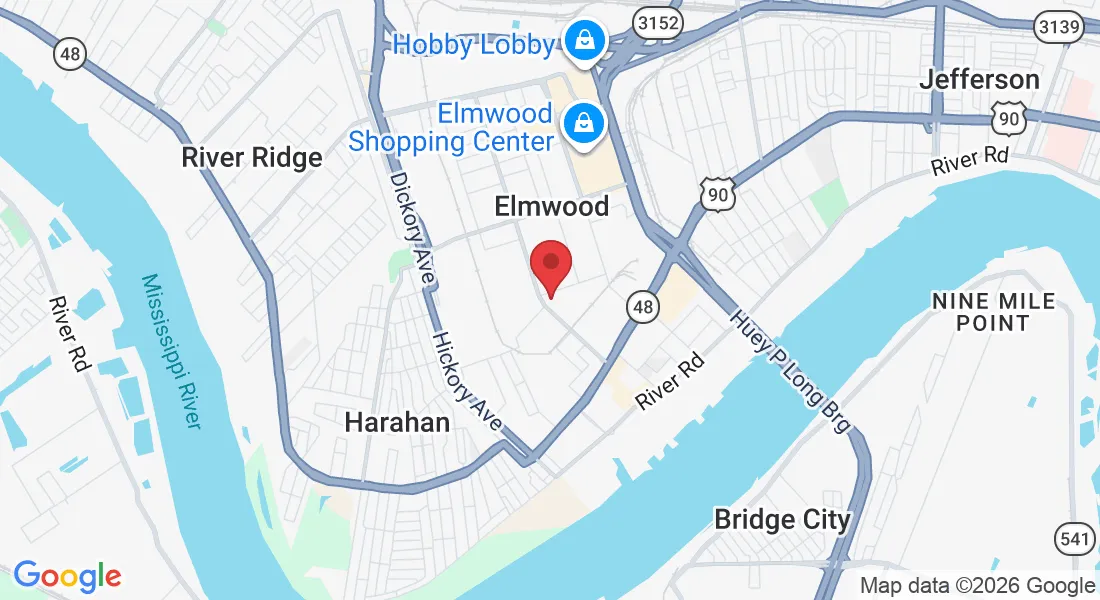
Murphy's Roofing Supply is your one-stop partner for fortified roofing supplies, offering a wide selection of hurricane resistant roofing materials and expert advice to help contractors meet IBHS Fortified Roof standards. We understand the specific needs of builders in storm-prone regions like Biloxi, Slidell, Arlington, and Elmwood.
We provide custom quotes, ensuring you get the right materials at the right price to win more bids. Our nearly five decades of experience means we've seen it all, and we're committed to helping you navigate the complexities of advanced roofing systems. With our reliable, on-time delivery and extensive inventory, you can focus on the installation, knowing your materials are covered. Learn more about our product selection.
FAQ Section
What are the main benefits of a FORTIFIED Roof for homeowners?
A FORTIFIED Roof provides homeowners with enhanced protection against severe weather, potential insurance premium discounts, increased property value, and greater peace of mind knowing their home is built to superior resilience standards.
How long does a FORTIFIED Roof certification last?
A FORTIFIED Roof certification is typically valid for five years. After this period, a new inspection may be required to verify that the roof still meets current FORTIFIED standards for recertification.
Can any roofing contractor install a FORTIFIED Roof?
While any contractor can learn the standards, it's highly recommended to work with contractors familiar with IBHS Fortified standards and who have experience with the certification process. A certified FORTIFIED Evaluator is always required to oversee and verify the installation.
Are there incentives or grants for installing fortified roofing?
Yes, some states, particularly those frequently impacted by hurricanes and severe weather, offer incentives, grants, or significant insurance premium reductions for homes with FORTIFIED designations. Contractors should research local and state programs in their service areas.
Is fortified roofing just for new construction?
No, existing homes can often be retrofitted to meet FORTIFIED Roof standards. Many homeowners choose to upgrade their roof to FORTIFIED standards when it's time for a roof replacement, capitalizing on the opportunity to enhance their home's resilience and qualify for benefits.
Ready to Build Stronger? Get Your Fortified Roofing Quote Today!
Don't let unreliable material sourcing or outdated solutions hold you back from winning more bids. Partner with Murphy's Roofing Supply for all your fortified roofing needs. Call us today to discuss your project and receive a custom quote that helps you grow your business and build with confidence. If you're struggling to find reliable fortified roofing supplies, our custom solutions are the right choice to empower your business. Contact us for a custom quote.
Related guides for roofing contractors
- Asphalt roofing shingles
- Synthetic roofing underlayment
- PRIMO underlayment and ice and water
- Aluminum roofing flashing
- Ridge vent systems
- Atlas shingles
- TAMKO shingles
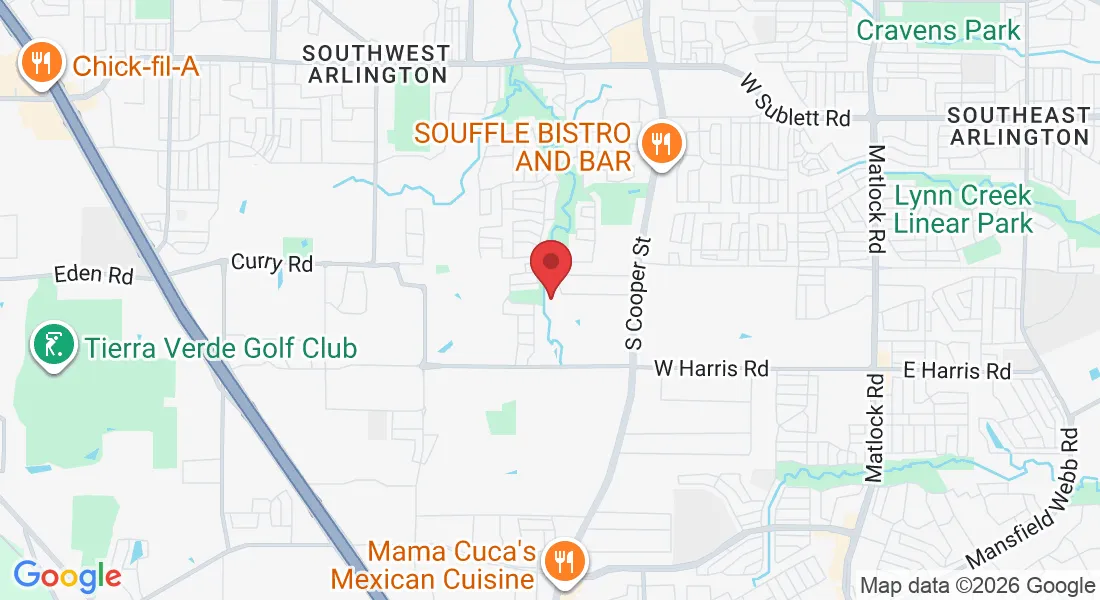
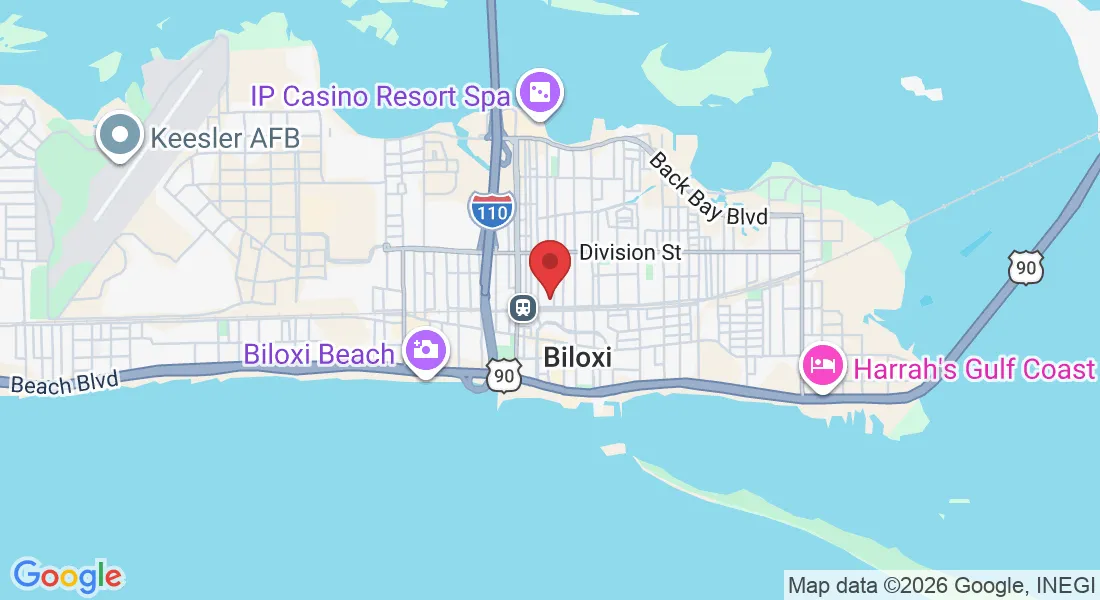
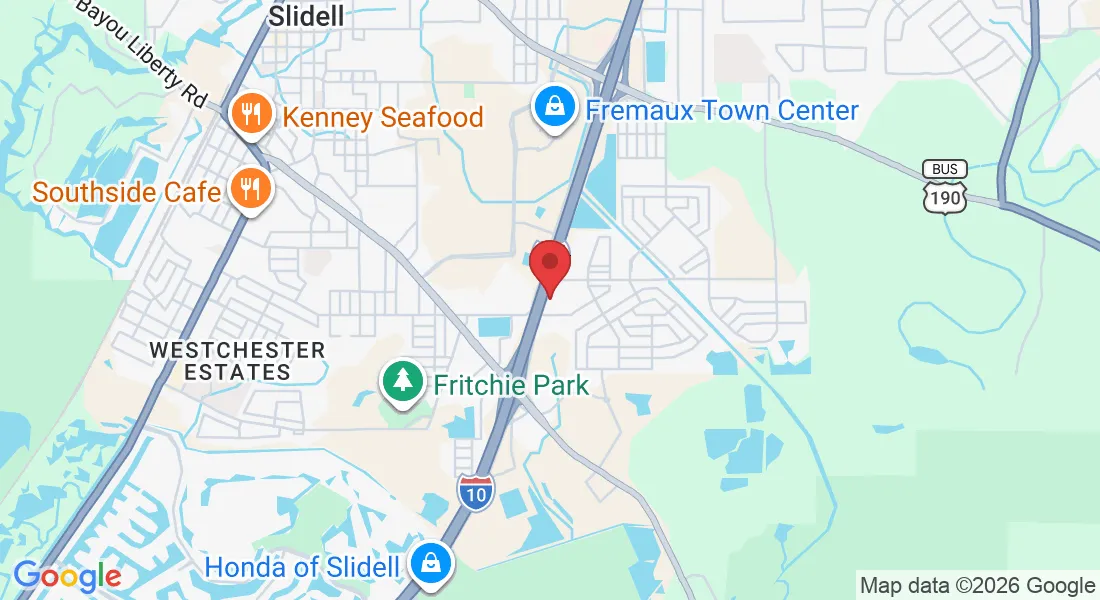
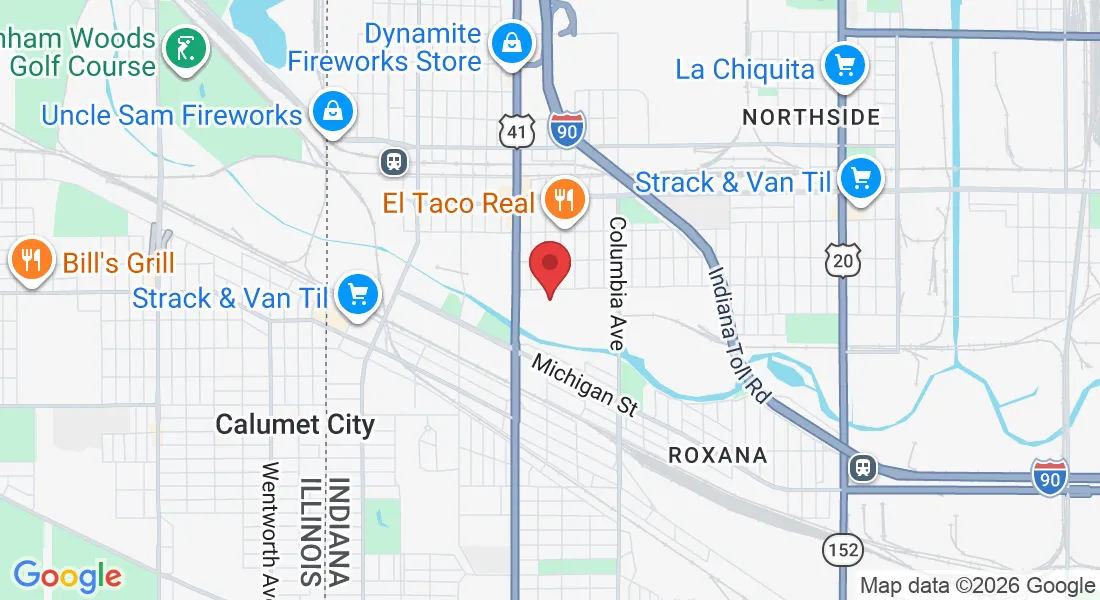
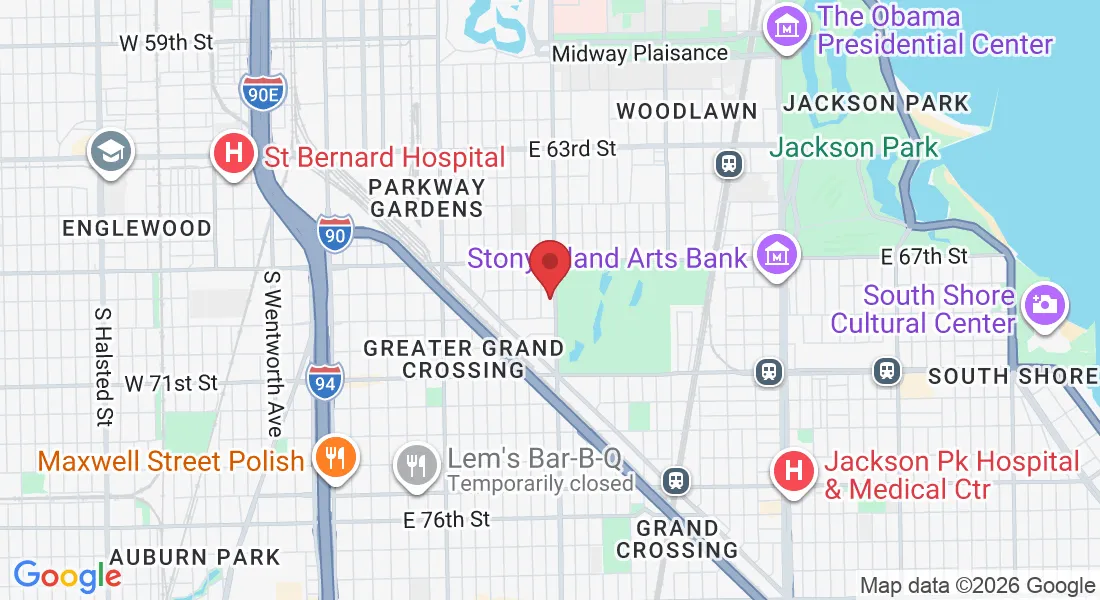
Order for pickup or jobsite delivery at Arlington, TX, Biloxi, MS, Slidell, LA, or Elmwood, LA.
Get Contractor Pricing Today
Visit our locations
our Complete Line of Building Products
Steep Slope Roofing
Steep Slope Roofing Info
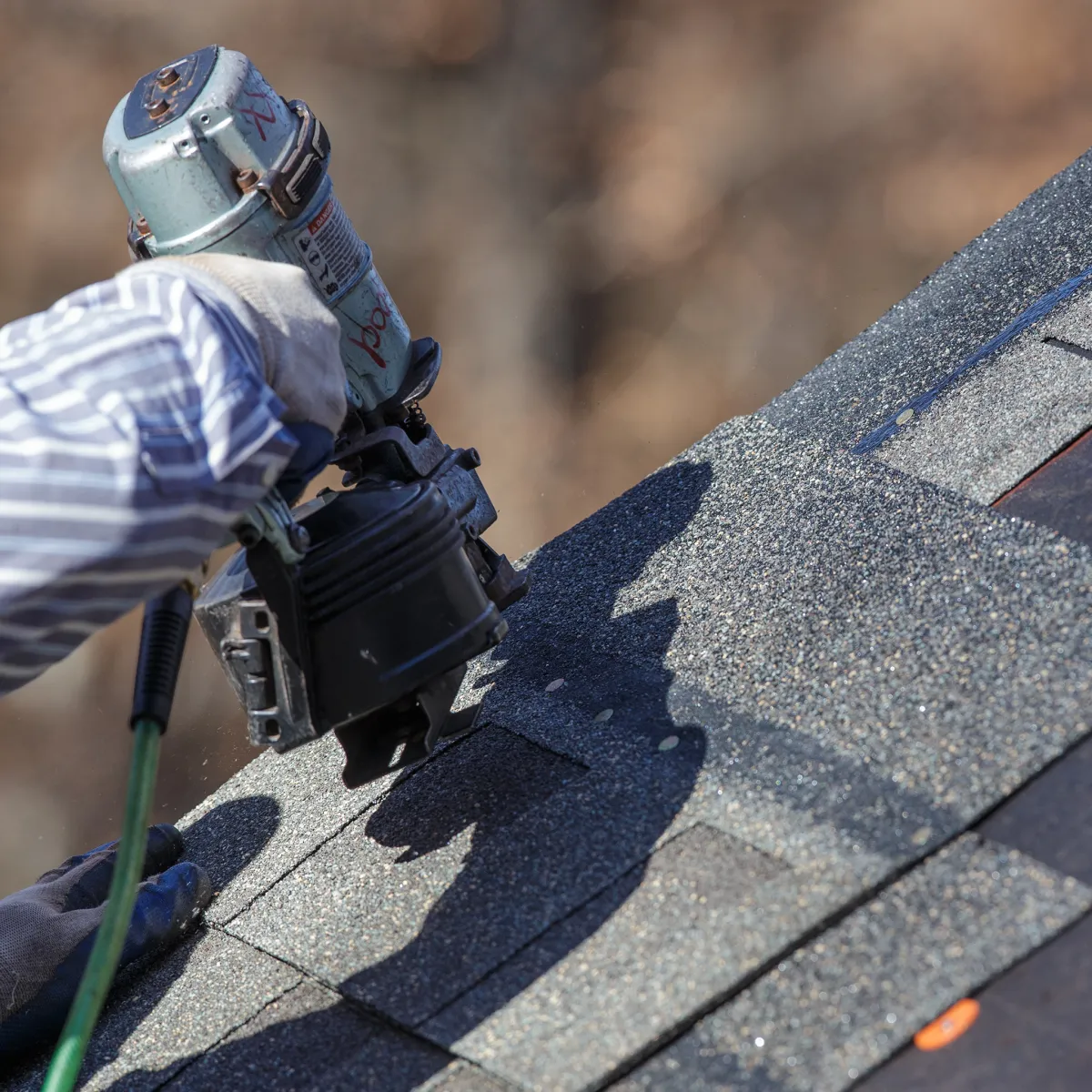
Steep slope roofing systems are designed for residential and light commercial buildings where water runoff is critical. These systems combine durability, visual appeal, and proven performance across a wide range of climates. Contractors rely on steep slope roofing for dependable protection and curb appeal that meets homeowner expectations.
Asphalt Shingles
Asphalt shingles are the most popular roofing choice because they are affordable, easy to install, and available in a wide variety of colors and styles.
Asphalt roofing offers contractors a cost-effective solution that installs quickly and requires minimal maintenance. It provides reliable weather protection, strong manufacturer warranties, and consistent performance, making it an ideal option for both new construction and reroofing projects.
Synthetic Roof Tiles
Synthetic roof tiles provide the appearance of slate or shake while being lighter, more durable, and easier to install. They deliver high-end aesthetics without the cost or structural challenges of natural materials.
These products are made from recycled materials and offer excellent resistance to fire, wind, and extreme weather. With low maintenance requirements and long service life, synthetic roof tiles allow contractors to deliver premium results while maintaining strong margins.
Slate Roof Tiles
Slate roof tiles offer unmatched beauty and longevity, making them a premium choice for high-end residential and historic properties. Natural slate delivers a distinctive look that enhances property value.
While installation requires skilled labor, slate roofing rewards contractors and homeowners with exceptional durability, fire resistance, and a lifespan that can exceed 100 years when properly installed.
Metal Roofing
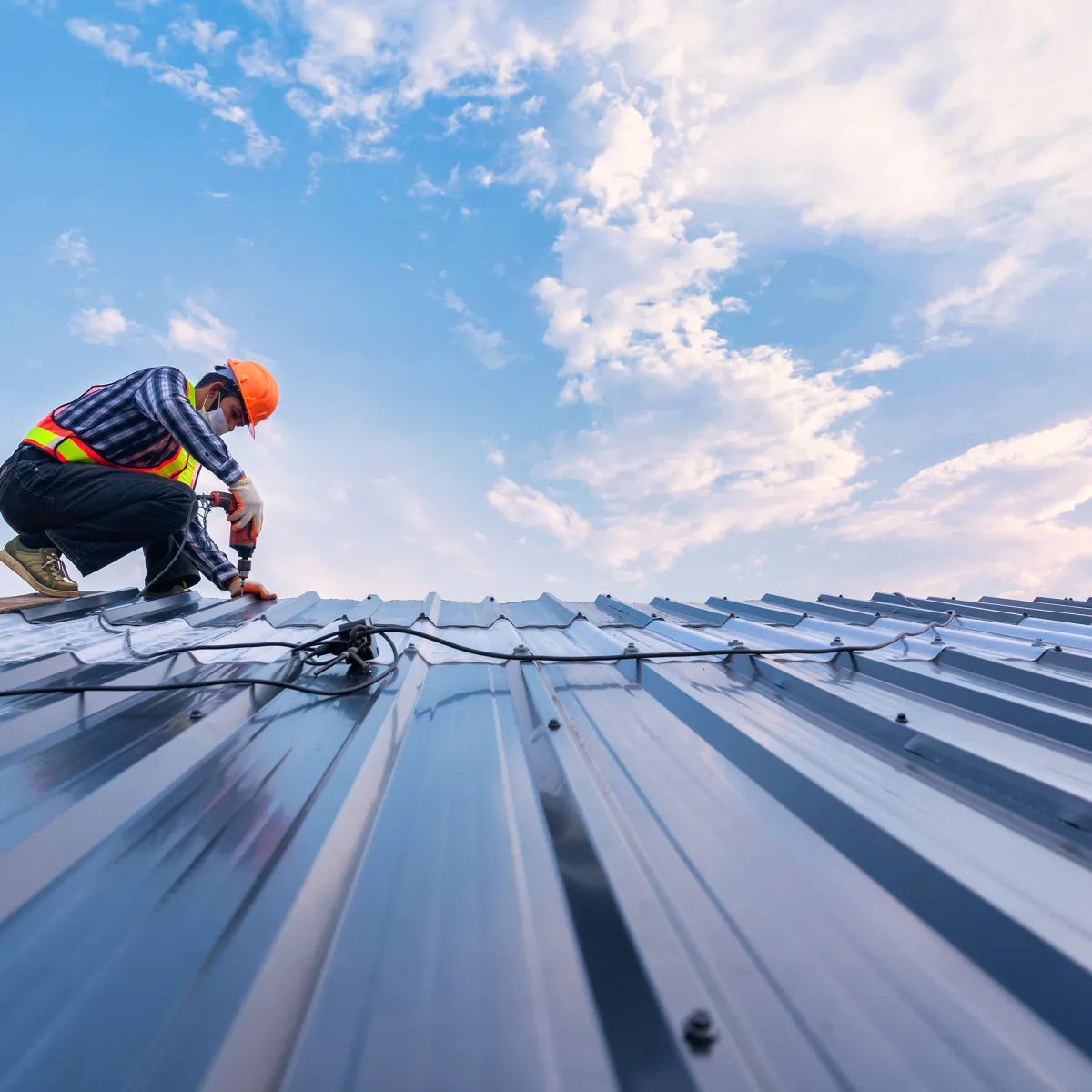
Metal roofing provides exceptional durability, energy efficiency, and long-term performance. Available in multiple profiles and finishes, it suits both residential and commercial applications.
Metal roofs resist fire, wind, and impact damage while requiring minimal maintenance. Their long lifespan and energy-reflective properties make them a smart investment for homeowners and a reliable product for contractors.
Low Slope Roofing
Low Slope Roofing Info
Low slope roofing systems are engineered to manage water efficiently on commercial and industrial buildings. These systems prioritize waterproofing, durability, and ease of maintenance.
Contractors rely on low slope roofing for proven performance, compatibility with insulation systems, and flexibility across a wide range of building designs.
Single Ply Roofing
Single ply roofing membranes offer a lightweight, flexible, and cost-effective solution for low slope applications. These systems install quickly and provide excellent resistance to UV exposure and weathering.
They are ideal for commercial projects where speed, performance, and long-term durability are critical. Single ply systems also support energy-efficient building designs.
Structured Metal Panels
Structural metal panels deliver strength, longevity, and superior weather resistance for commercial roofing applications. They are engineered to span long distances and handle heavy loads.
These systems offer contractors a durable, low-maintenance roofing solution with long service life and excellent performance in harsh environments.
Modified Bitumen Roofing
Modified bitumen roofing combines traditional asphalt with modern polymer technology to enhance flexibility and durability. It performs well in extreme temperatures and high-traffic areas.
This system is a reliable choice for contractors seeking proven waterproofing, strong adhesion, and ease of repair over the roof’s lifespan.
Built-Up Roofing
Built-up roofing (BUR) systems consist of multiple layers of asphalt and reinforcement for maximum protection. This time-tested solution provides excellent waterproofing and durability.
BUR systems are ideal for flat or low slope roofs where long-term performance and redundancy are essential.
Coatings
Roof coatings extend the life of existing roofing systems by adding a protective, weather-resistant layer. They help improve energy efficiency and reduce maintenance costs.
Contractors use coatings as a cost-effective solution for roof restoration and preventative maintenance.
roofing accessories
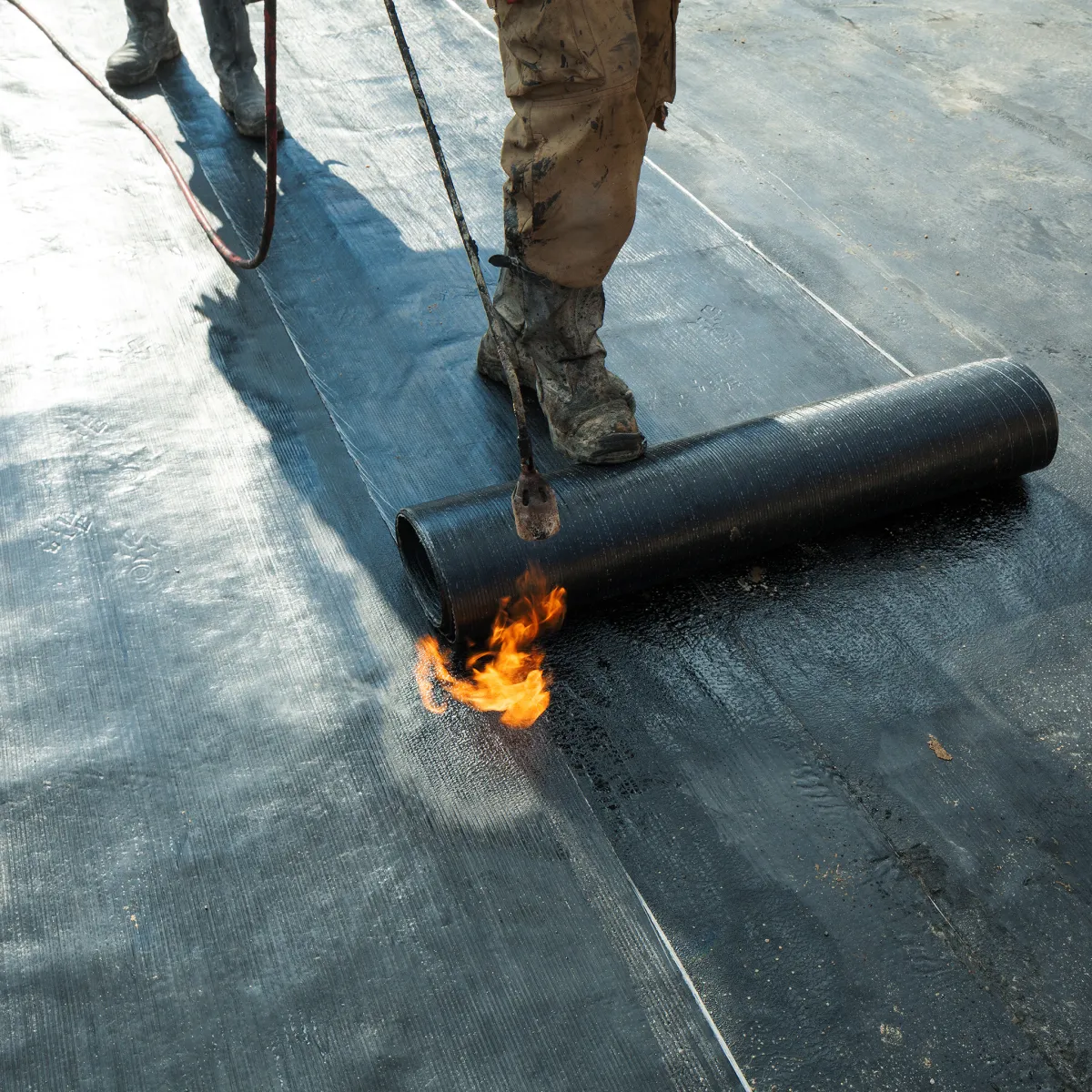
Roofing Accessories Info
Roof accessories are essential components that enhance roof performance, ventilation, and longevity. They ensure proper water management and airflow.
Using the right accessories helps contractors deliver complete, code-compliant roofing systems.
Underlayment
Underlayment provides a critical moisture barrier beneath roofing materials. It adds protection against water intrusion and enhances overall roof durability.
High-quality underlayment improves installation reliability and long-term performance.
Metal Roofing Accessories
Metal roofing accessories include trim, flashing, and closures that ensure proper fit and finish. They improve weather resistance and roof appearance.
These components are essential for professional, long-lasting metal roof installations.
Fasteners
Roofing fasteners are engineered for strength, corrosion resistance, and long-term holding power. Proper fasteners ensure system integrity.
Using manufacturer-approved fasteners reduces callbacks and improves roof performance.
Cements and Coatings
Roofing cements and coatings provide sealing, bonding, and waterproofing for repairs and installations. They are essential for detailing and maintenance work.
These products help contractors achieve watertight, durable roofing systems.
Vents
Roof vents promote proper attic ventilation, reducing heat and moisture buildup. This improves roof lifespan and energy efficiency.
Effective ventilation helps prevent mold, ice dams, and premature roof failure.
Ice & Water Underlayment
Ice and water underlayment offers self-adhering protection in vulnerable roof areas. It seals around fasteners and prevents leaks caused by ice dams and wind-driven rain.
This added protection is critical in cold and storm-prone regions.
Insulation
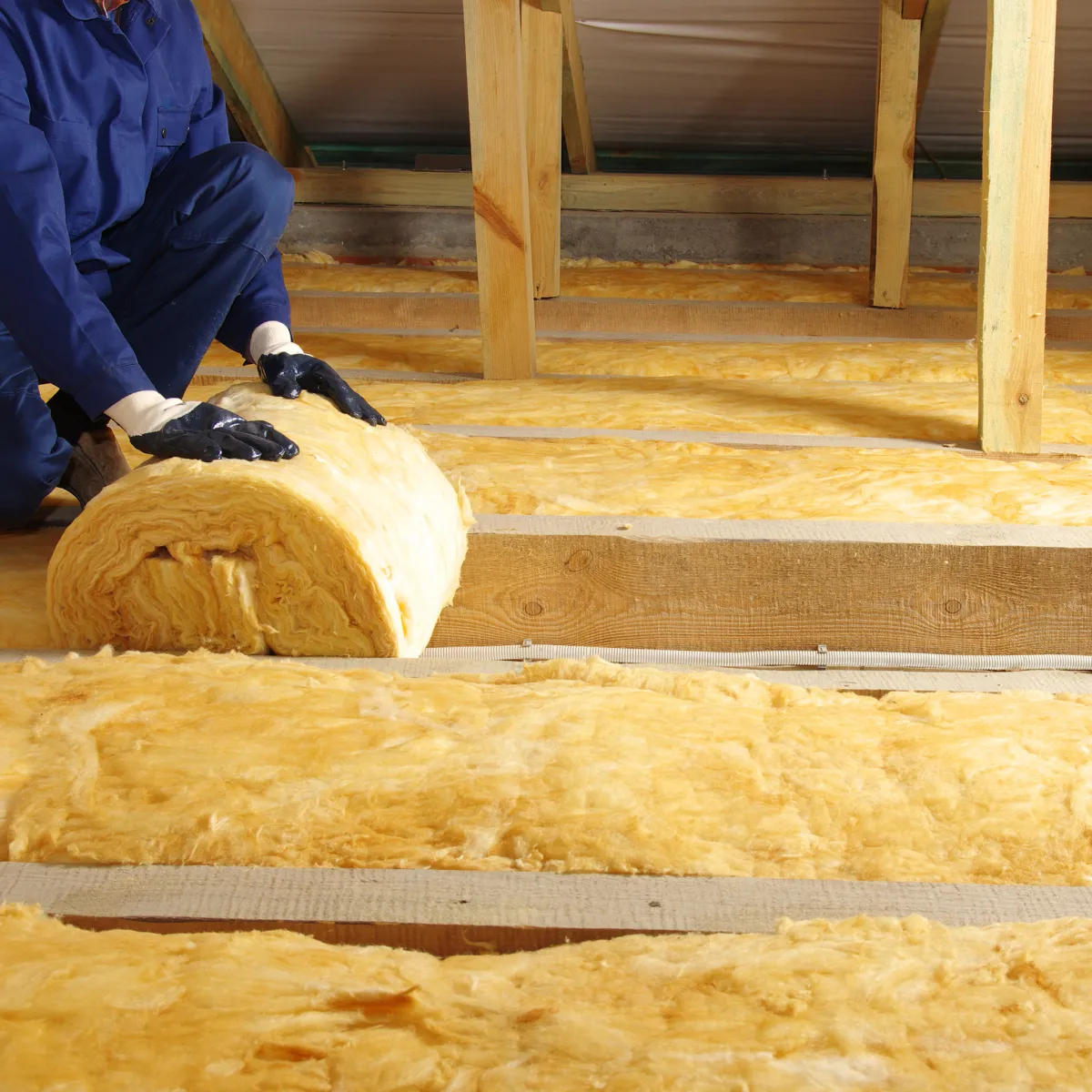
Insulation Info
Insulation plays a vital role in energy efficiency, comfort, and moisture control. Proper insulation reduces heating and cooling costs.
Contractors rely on insulation solutions to meet building codes and improve overall system performance.
Rigid Roofing Insulation
Rigid insulation provides high thermal resistance and structural stability for roofing systems. It is ideal for commercial and low slope applications.
This insulation improves energy efficiency while supporting roof durability.
Fiberglass Batt Insulation
Fiberglass batt insulation is an affordable, easy-to-install solution for walls and attics. It provides reliable thermal and sound insulation.
Its flexibility makes it a popular choice for residential construction and remodeling.
Blown-In Insulation
Blown-in insulation fills gaps and hard-to-reach areas, providing consistent thermal coverage. It improves energy efficiency and indoor comfort.
This option is ideal for retrofits and attic applications.
Siding
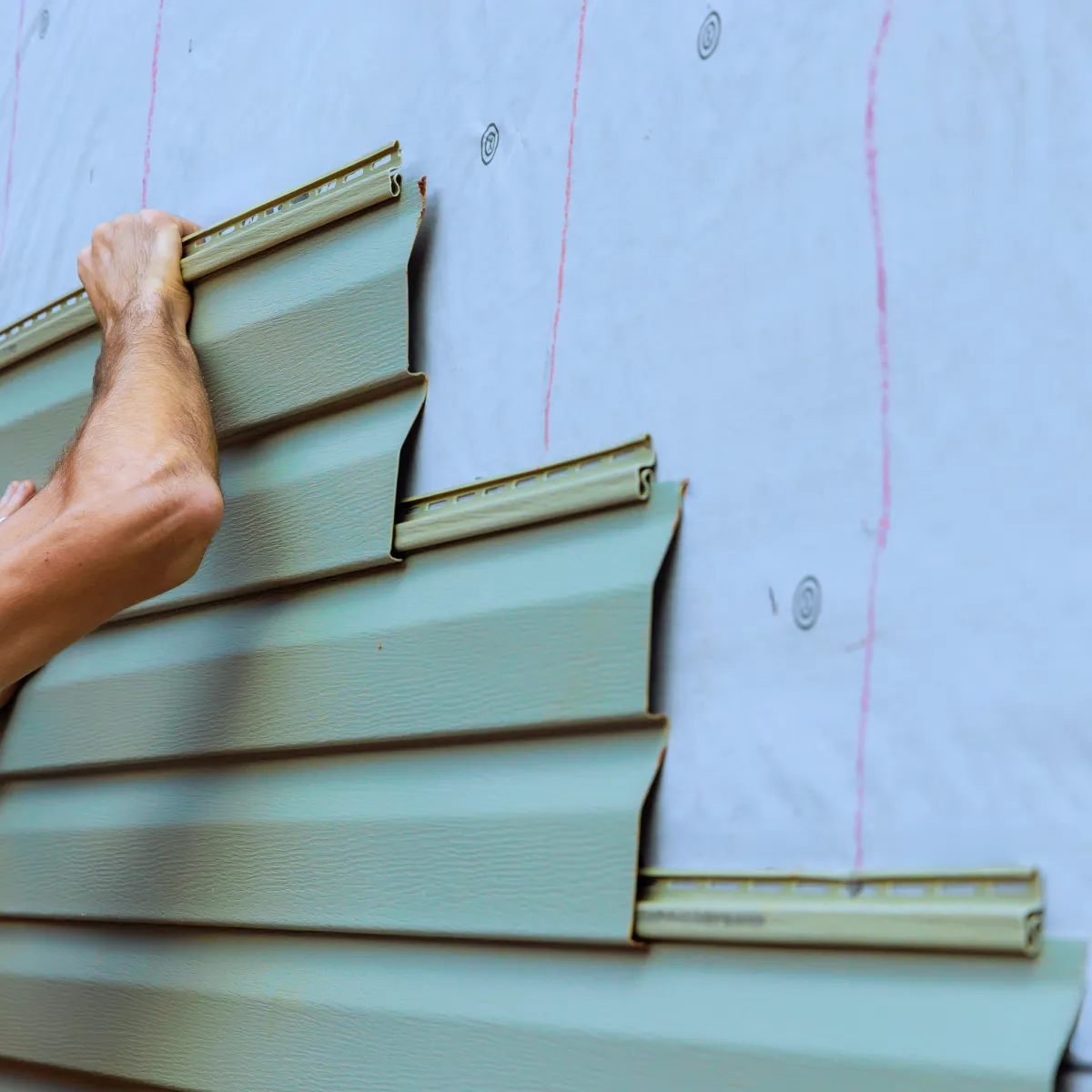
Siding Info
Siding enhances curb appeal while protecting buildings from the elements. Modern siding materials offer durability and low maintenance.
Contractors rely on siding to deliver both aesthetic and functional benefits.
Vinyl Siding
Vinyl siding is a cost-effective, low-maintenance exterior solution available in many colors and profiles. It resists moisture, fading, and pests.
Its ease of installation makes it a contractor favorite.
Fiber Cement Siding
Fiber cement siding offers the look of wood with superior durability and fire resistance. It performs well in harsh climates.
This siding option delivers long-term value and premium appearance.
Decorative Siding
Decorative siding adds architectural detail and visual interest to building exteriors. It enhances curb appeal and design flexibility.
Contractors use decorative siding to create custom, high-end finishes.
Trims & Accessories
Trim and accessories provide clean lines and professional finishes for siding installations. They protect edges and enhance appearance.
These components ensure a polished, durable exterior.
Rain Gutter
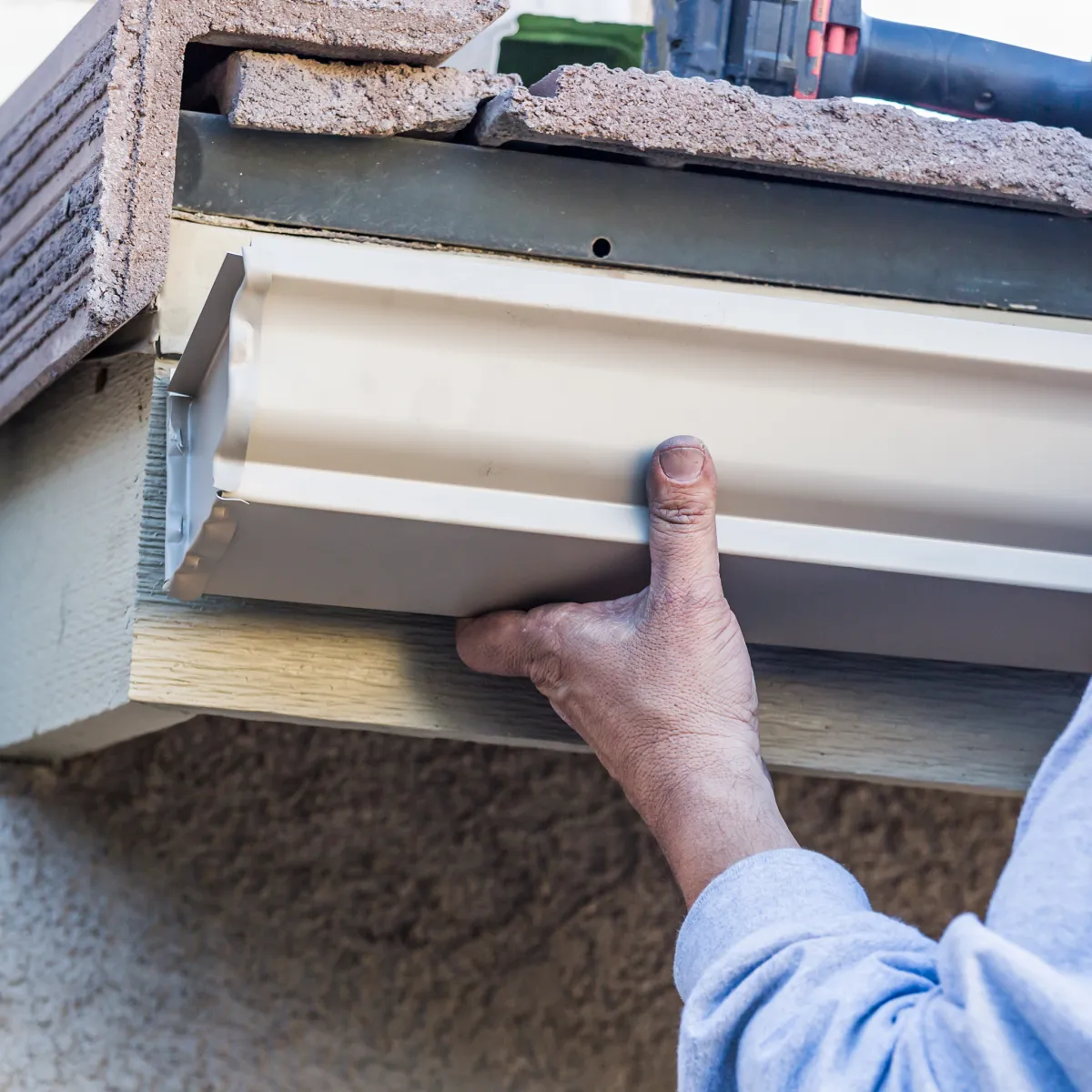
Rain Gutter Info
Rain gutter systems manage water runoff to protect foundations and landscaping. Proper drainage prevents long-term structural damage.
Contractors rely on gutters to complete exterior systems.
Aluminum Gutter
Aluminum gutters are lightweight, rust-resistant, and durable. They provide reliable water management with minimal maintenance.
Their versatility makes them suitable for most residential applications.
Gutter Guards
Gutter guards reduce debris buildup and maintenance needs. They improve water flow and prevent clogs.
These systems help homeowners avoid frequent cleanings.
Downspouts
Downspouts direct water safely away from the building. Proper placement protects foundations and siding.
They are essential for effective drainage systems.
Gutter Accessories
Gutter accessories include hangers, corners, and extensions that ensure proper installation. They improve performance and longevity.
These components support professional results.
Windows & Doors
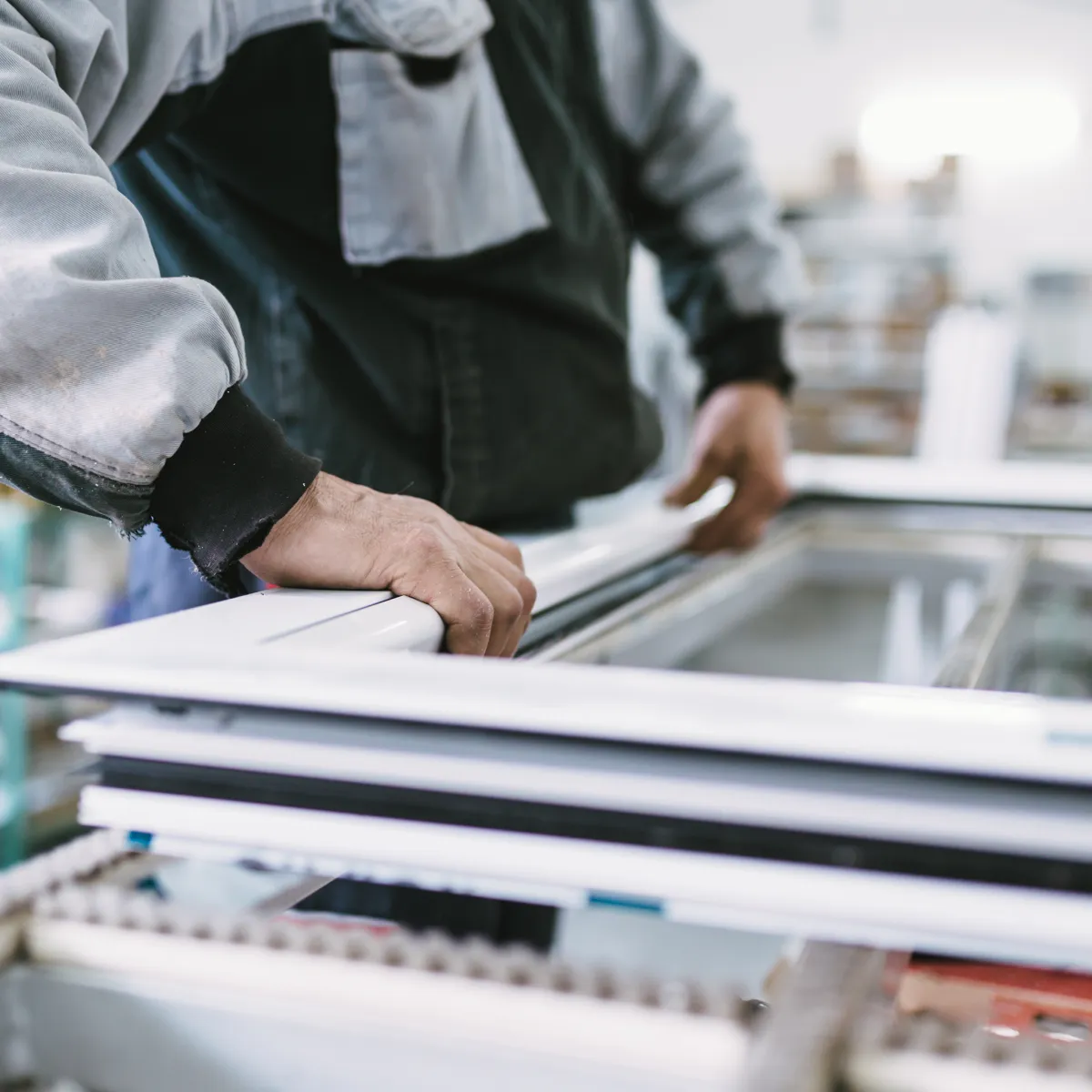
Windows & Doors Info
Windows and doors improve energy efficiency, security, and aesthetics. Quality products enhance comfort and property value.
Contractors rely on dependable brands for consistent performance.
Windows
Windows provide natural light, ventilation, and insulation. Modern designs improve energy efficiency and appearance.
They are essential for both new construction and renovations.
Skylights
Skylights bring natural light into interior spaces while enhancing design appeal. They improve ambiance and energy efficiency.
Proper installation ensures leak-free performance.
Entry Doors
Entry doors offer security, insulation, and curb appeal. They are available in various materials and styles.
A quality door makes a strong first impression.
Wood & Decking
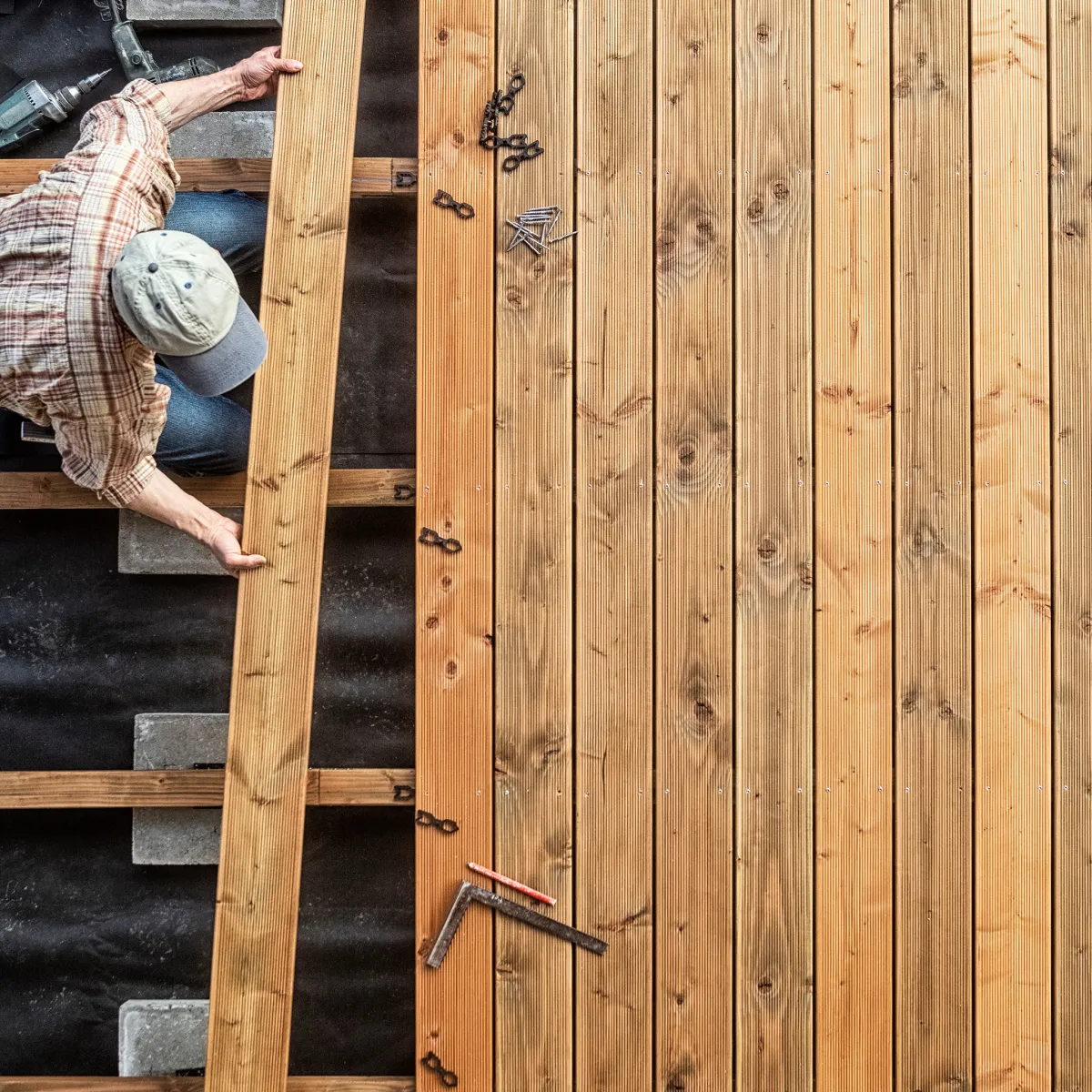
Decking
Decking materials provide outdoor living spaces that are functional and attractive. Durable products ensure long-term performance.
Contractors rely on decking for residential enhancements.
Composite Decking
Composite decking offers the look of wood with minimal maintenance. It resists rot, fading, and moisture.
This material provides long-term value and durability.
Railing
Railing systems enhance safety and design for decks and stairs. They are available in multiple styles and materials.
Railings complete outdoor projects with a polished look.
OSB
Oriented Strand Board (OSB) is a strong, cost-effective sheathing material. It provides structural support for walls and roofs.
OSB is widely used in residential construction.
Plywood
Plywood offers strength, stability, and versatility for construction projects. It performs well in roofing and flooring applications.
Contractors rely on plywood for dependable performance.
Drywall
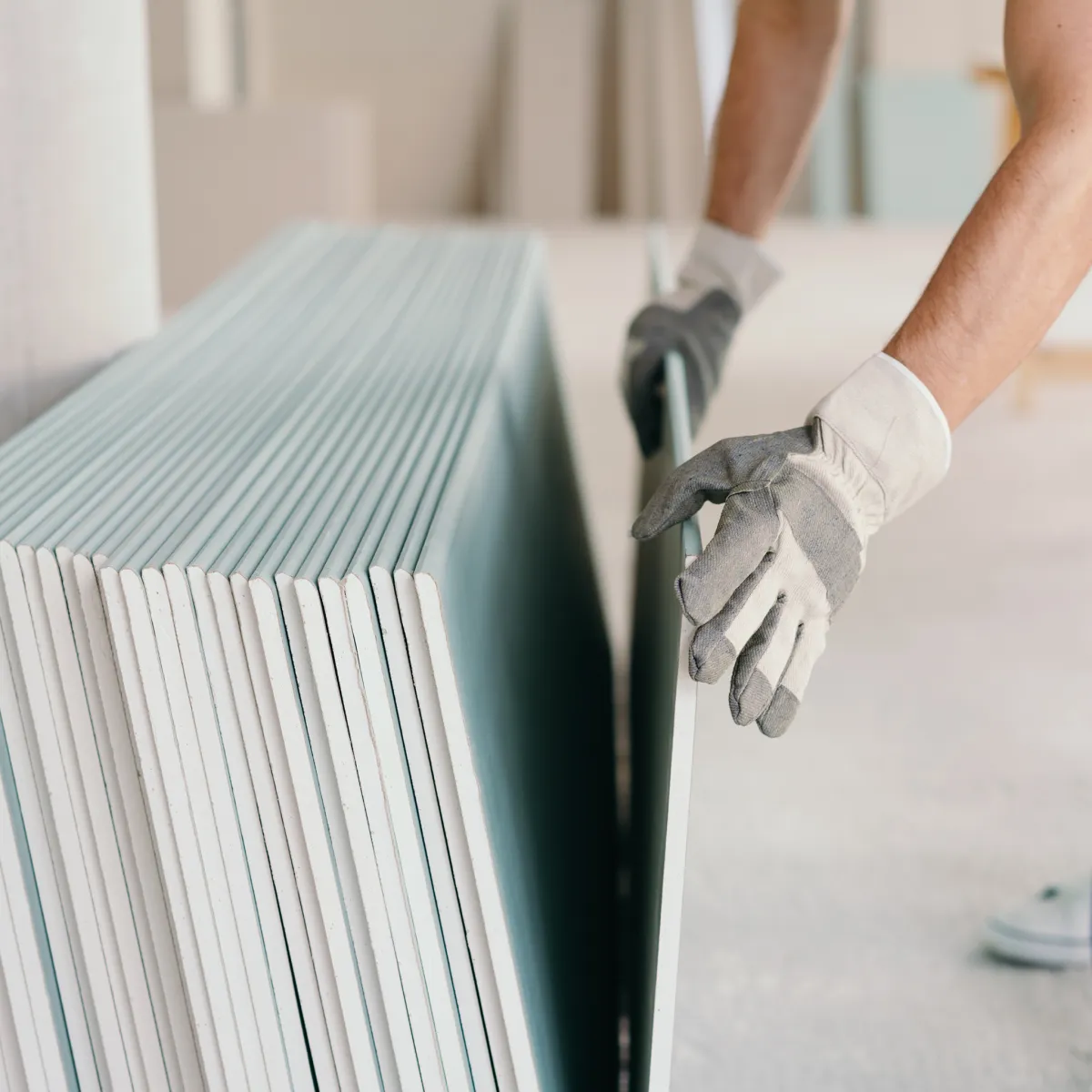
Drywall Info
Drywall provides smooth interior wall and ceiling surfaces. It is easy to install and finish.
Drywall products support efficient interior construction.
Drywall Sheets
Drywall sheets form the base for finished interior surfaces. They are available in various sizes and thicknesses.
They offer consistent quality and performance.
Drywall Compound
Drywall compound is used for finishing joints and repairs. It creates smooth, seamless surfaces.
Quality compound improves finish results.
Drywall Accessories
Drywall accessories include tape, corner bead, and fasteners. They ensure durability and clean finishes.
These components support professional installations.
Flooring
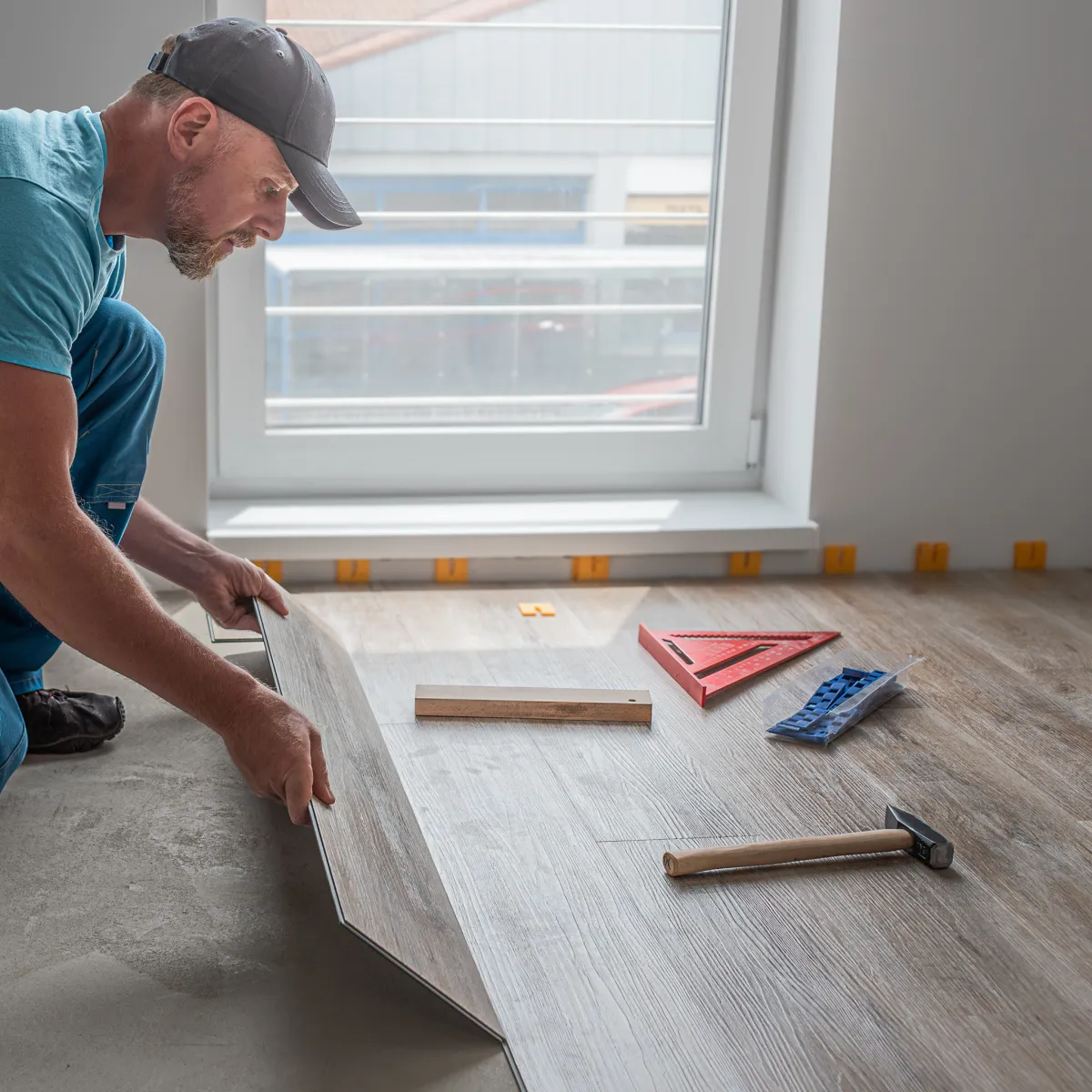
Flooring Info
Flooring materials provide durability, comfort, and style. Modern flooring options meet a wide range of design needs.
Contractors rely on flooring for interior finishes.
Luxury Vinyl
Luxury Vinyl flooring offers durability, water resistance, and attractive designs. It is easy to install and maintain. Stone Polymer Composite (SPC) flooring, is a type of vinyl flooring built on a rigid core made from stone and polymer materials.
This flooring is ideal for residential and commercial spaces.
Pine
Pine flooring delivers a natural, warm appearance. It adds character and charm to interior spaces.
Pine is a traditional choice for rustic designs.
Flooring Underlayment
Flooring underlayment improves comfort, sound reduction, and moisture protection. It enhances flooring performance.
Proper underlayment ensures long-term results.
Flooring Accessories
Flooring accessories include trims and transitions that complete installations. They provide clean edges and professional finishes.
These details enhance the overall look and durability of floors.